



In short: 15 kg is 33.07 pounds. It is 15,000 grams, or a little over 2 stone 5 lb (1 lb is 0.45359237 kg).
Too heavy to swing like a grocery bag, light enough for most adults to lift without a grunt: that is 15 kg, or 33.07 pounds.
That in-between zone is hard to judge by eye. The 16 things below include objects, animals and even a satellite.
15 kg in Pounds, Ounces and Stone
Pounds are what most people in the US think in, so here is the quick conversion. One pound is exactly 0.45359237 kg, which means 15 kg comes out to a bit more than 33 pounds.
| Unit | 15 kg equals |
|---|---|
| Grams | 15,000 g |
| Pounds | 33.07 lb |
| Ounces | 529.1 oz |
| Stone | 2.36 st (2 st 5.1 lb) |
Going the other way helps too. 30 lb is 13.61 kg, 33 lb is 14.97 kg and 35 lb is 15.88 kg. So a 33 lb object is almost a perfect match.
Pro tip:
Mixing up 15 lb and 15 kg is the most common slip. A 15 kg load is more than twice as heavy as a 15 lb one (6.80 kg).
16 Things That Weigh About 15 kg
Every weight below comes from a spec sheet, a standards body or a published range. Near misses are labeled as near misses.
1. Women’s Olympic Barbell
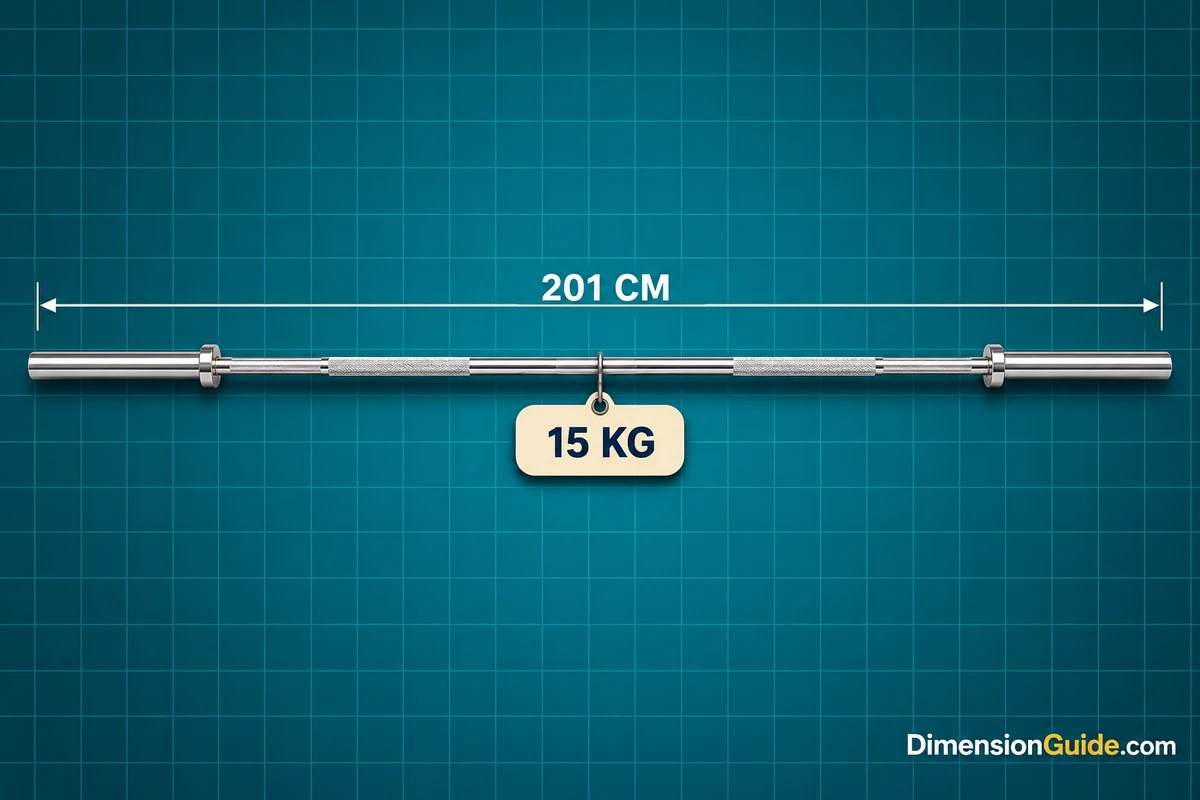
The women’s Olympic barbell weighs exactly 15 kg under International Weightlifting Federation rules. It is 201 cm long, and the shaft is 25 mm thick, a little slimmer than the men’s bar so smaller hands can wrap around it.
The men’s bar is a heavier 20 kg, and you can see how that feels in the 20 kg weight guide. Both bars look almost the same from across a gym, which is why a lot of lifters check the label before loading plates.
That matters when you do the math on a workout. A lifter who thinks the bar is 20 kg and loads 40 kg of plates is actually moving 55 kg, not 60. Small gaps like that add up over a whole session, so know your bar.
2. Yellow 15 kg Competition Disc
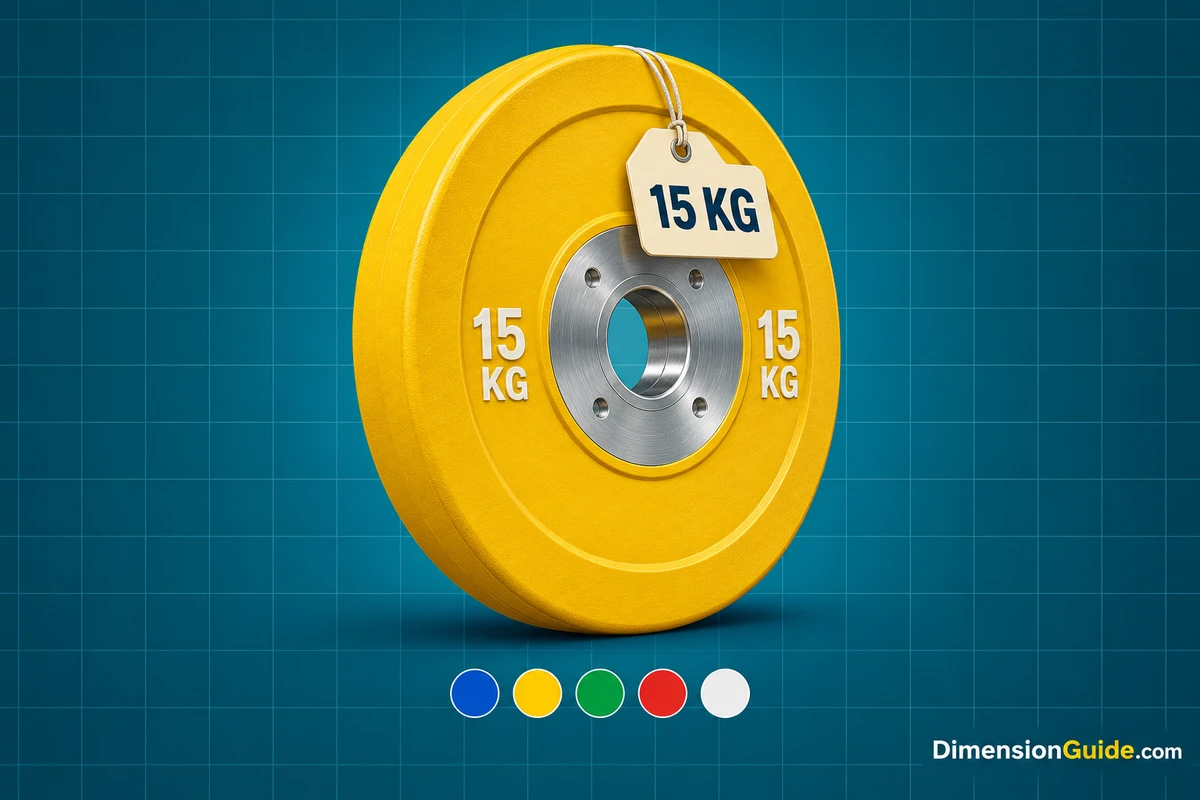
Weightlifting plates use a color code, and yellow means 15 kg. Red is 25, blue is 20, green is 10 and white is 5.
Slide one yellow disc on each end of a women’s bar and the total is 45 kg (15 kg bar plus 30 kg of discs). The colors let a coach read the load from the other side of the room.
A second a-ha: the smaller yellow disc in the 1.5 kg size shares the same color, so check the size and the number stamped on the face before you trust the paint.
3. 16 kg Kettlebell (near miss)
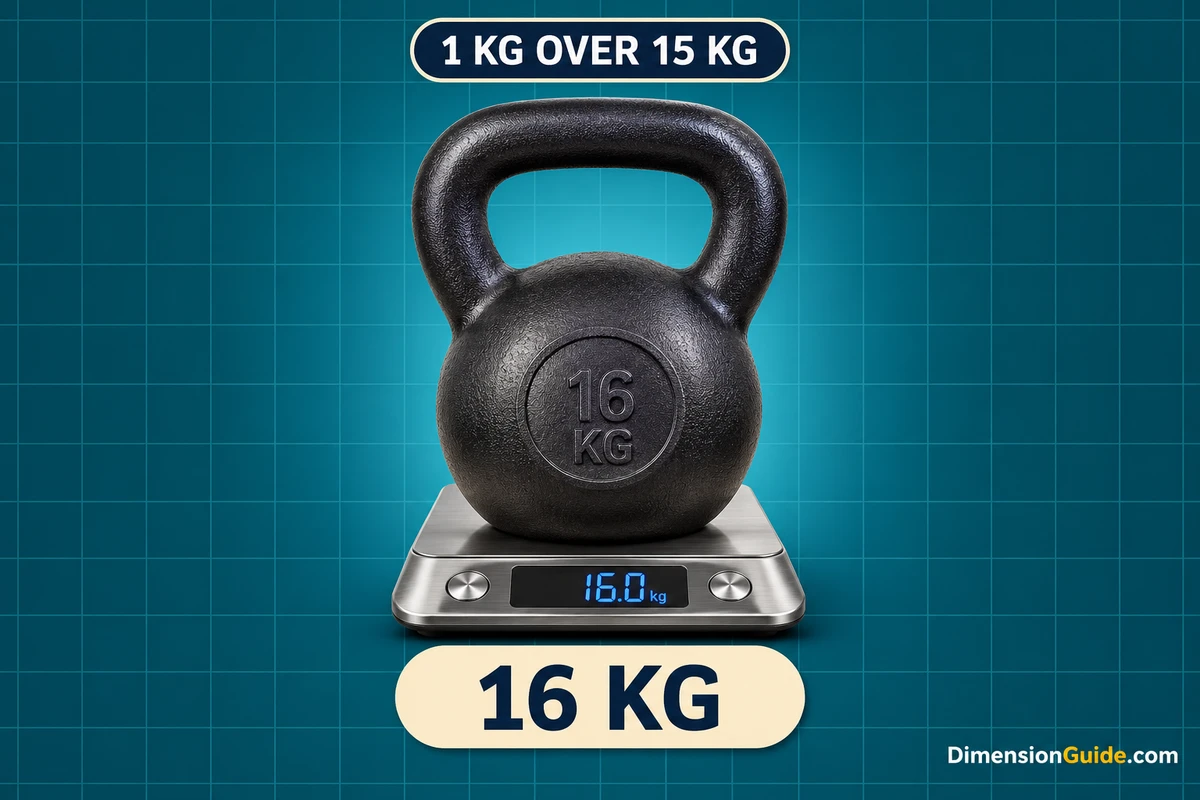
A 16 kg kettlebell is 1 kg over our target, which is 35.27 lb. That makes it a near miss, but a famous one.
The old Russian unit called a pood is about 16.38 kg, and that is a big reason 16 kg became a classic kettlebell size.
A gym that lists a 16 kg bell has you lifting about 1.0 kg more than 15. You will feel that gap on the first swing.
4. 15 kg Hex Dumbbell
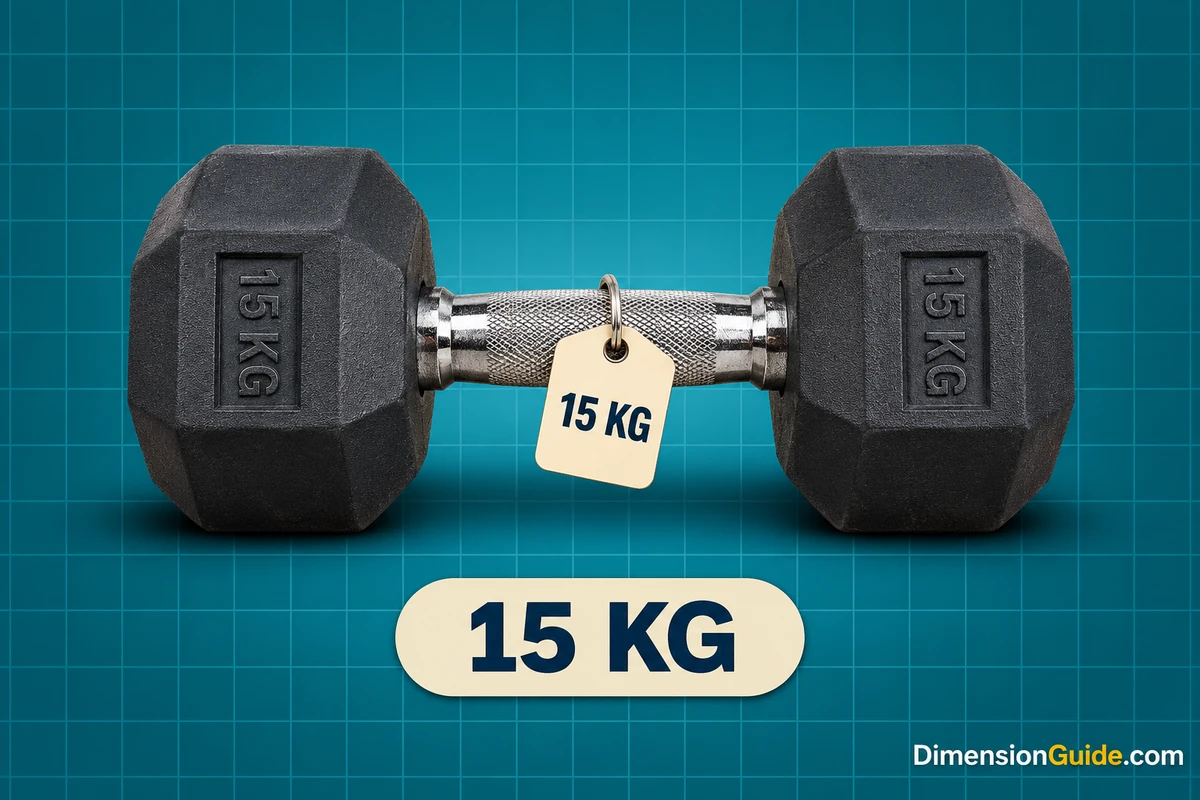
Plenty of dumbbell racks that run in kilograms include a 15 kg pair, usually between a 12.5 and a 17.5.
One of them in your hand is 15 kg. A pair is 30 kg, so a dumbbell press is really a two-handed carry. Check the label on the head, since every maker rounds a little differently.
5. 15 Liters of Water
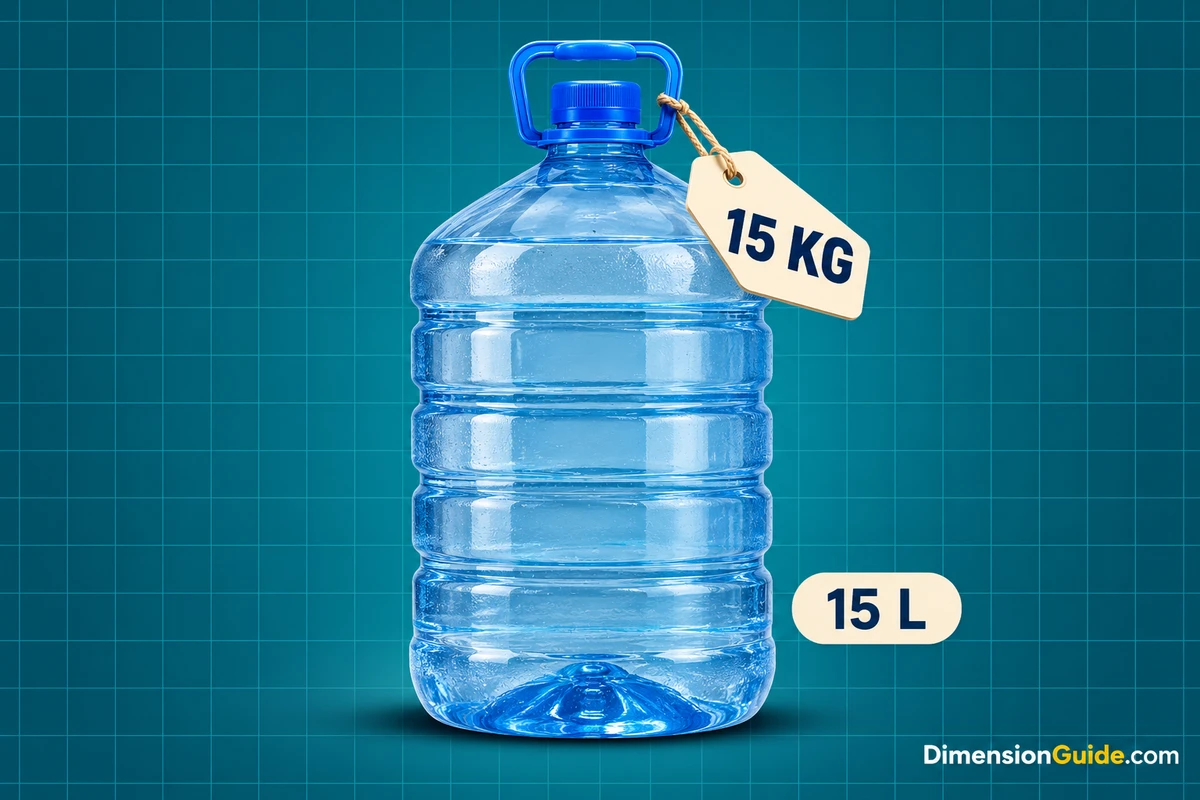
How can you get 15 kg without a scale? Pour 15 liters of water. One liter of water weighs about one kilogram, and that is no accident.
The metric system first defined the kilogram as the mass of one liter of water. Today it is tied to a fixed constant of physics (the Planck constant) instead, but the old link still works for kitchen math.
At room temperature water is a hair lighter than 1 kg per liter, so 15 liters comes to around 14.97 kg. Close enough to call it 15.
6. 4 US Gallons of Water
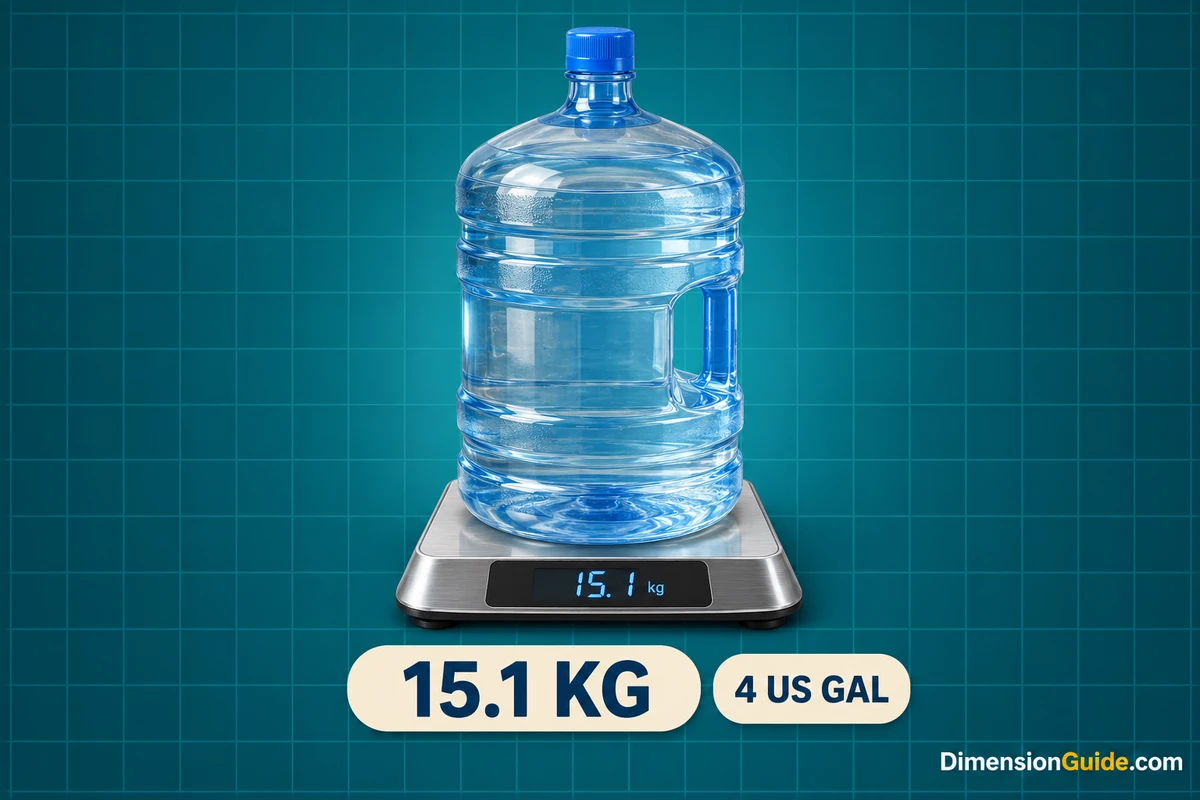
Four US gallons equals 15.14 liters, so it is about 15.1 kg of water. That is a handy picture if you think in gallons.
A full 5 gallon jug is 18.9 liters, which is heavier. Fill one to the 4 gallon line and you are at 15 kg.
Water also matters for campers. Four gallons is a common stash for a weekend trip, and you carry it in your hands the whole way from the car.
7. 15 kg Butane Gas Cylinder
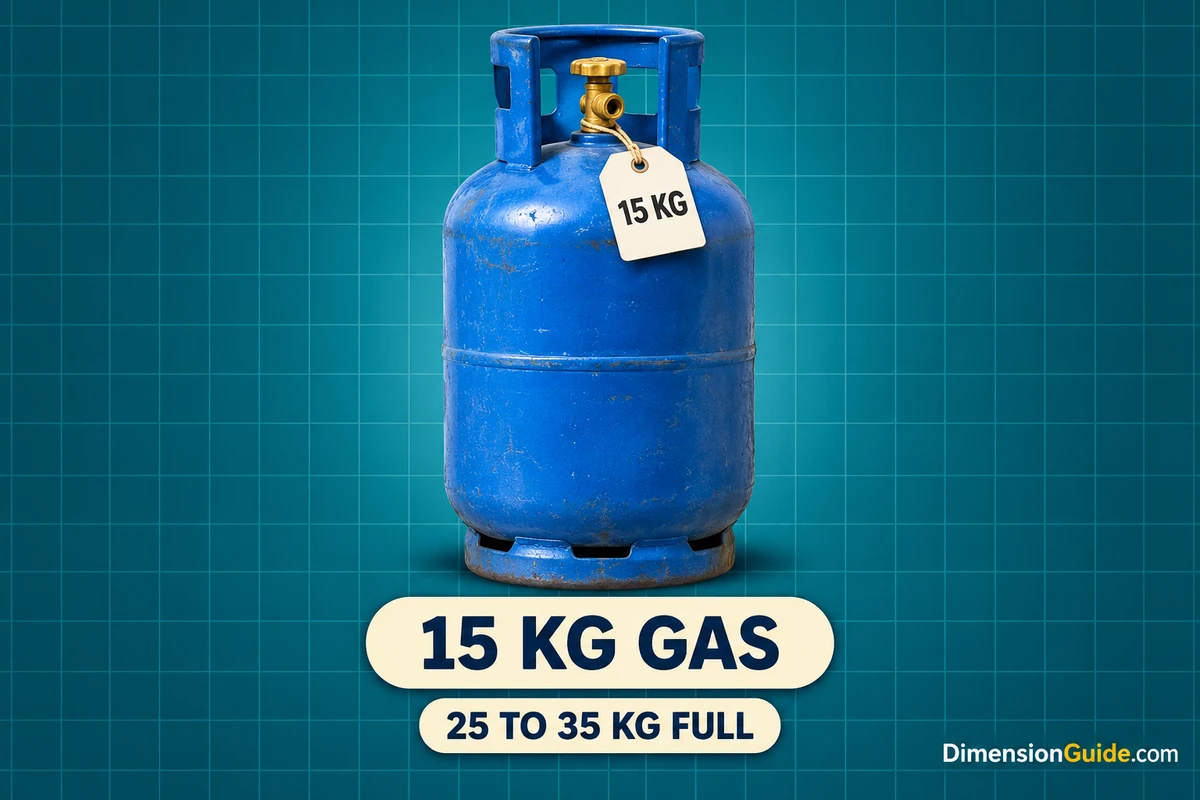
A “15 kg” gas cylinder holds 15 kg of gas, not 15 kg total. The steel shell adds a lot on top.
Calor, a UK supplier, lists its 15 kg butane cylinder with a full weight between 25 kg and 35 kg, and the exact figure depends on the cylinder. One retailer lists the total at 34 kg.
So the gas inside is 15 kg, but the whole thing is more than twice that. Labels on gas bottles trip people up all the time.
The reason is simple. Suppliers sell the fuel, not the steel, so the number on the label is the gas. If you need to lift or move one, plan for a load around 34 kg and bring a second person.
8. Explorer 1 Satellite (near miss)
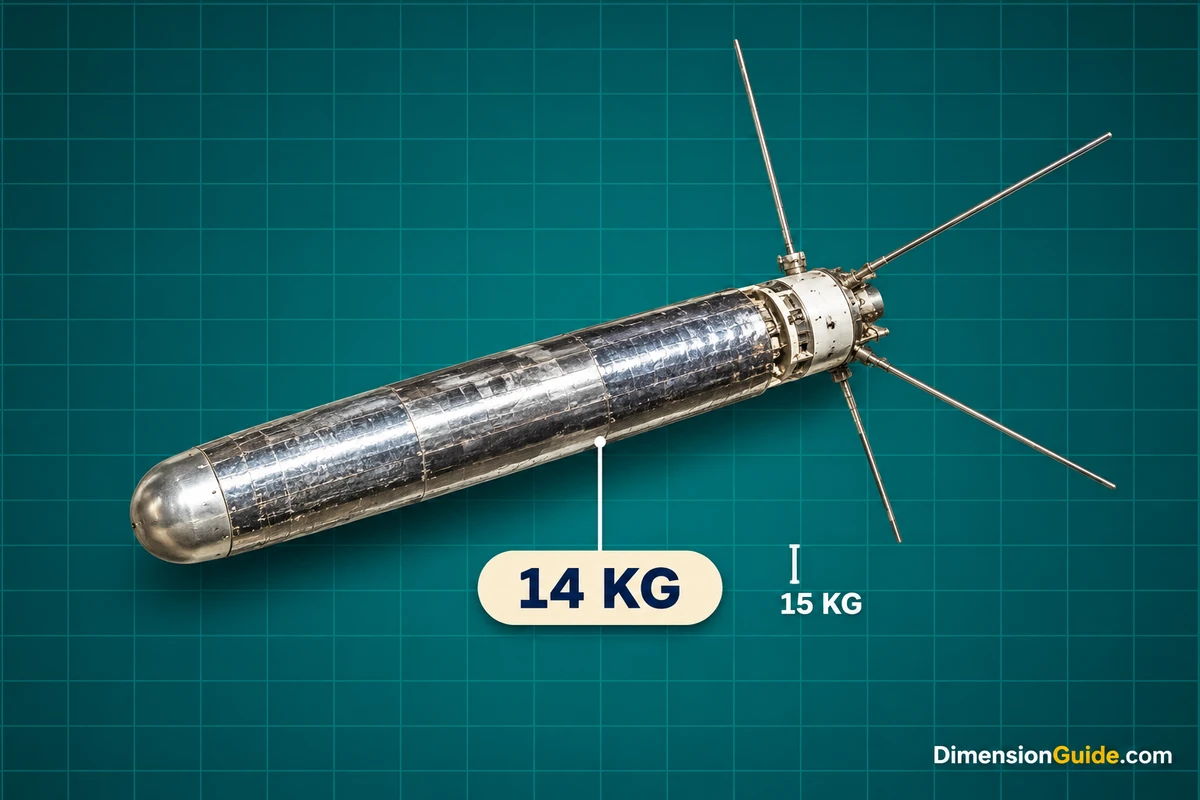
America’s first satellite, Explorer 1, launched on January 31, 1958. NASA lists it at 30.8 lb, or 13.97 kg.
That is about 14 kg, so it sits just a kilogram under 15. It was about 6 ft 9 in long, so a satellite that put the US in the space race weighed less than two bags of dog food.
Small as it was, it carried the instruments that found the Van Allen radiation belts around Earth. A lot of science rode on a payload lighter than a toddler.
9. Male Kori Bustard
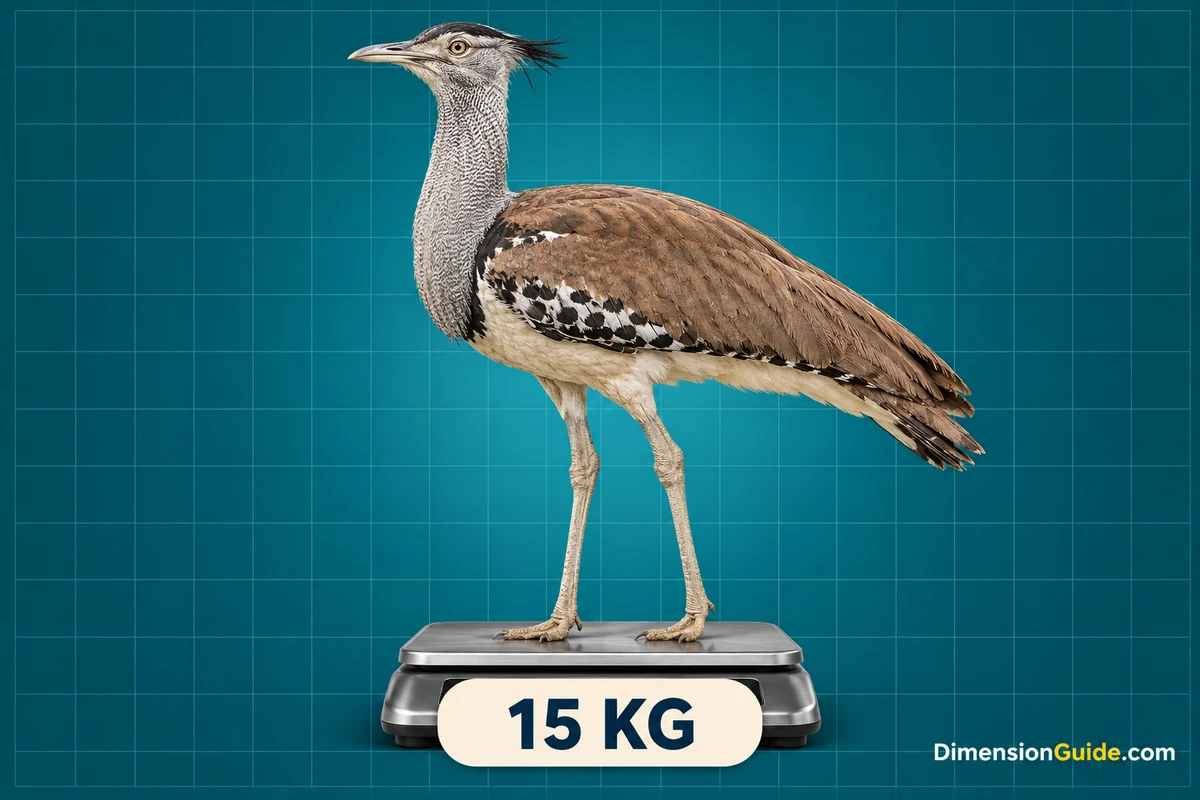
Is a 15 kg bird real? Yes. The kori bustard of Africa is one of the heaviest birds that can still fly.
The Smithsonian’s National Zoo gives a typical male range of about 11 to 19 kg, so 15 kg is right in the middle. Guinness World Records lists a confirmed male of 18.14 kg.
Females are far smaller, roughly half the size of the males. It takes off with a running start, and that is a lot of bird to get airborne.
10. English Cocker Spaniel (top of the range)
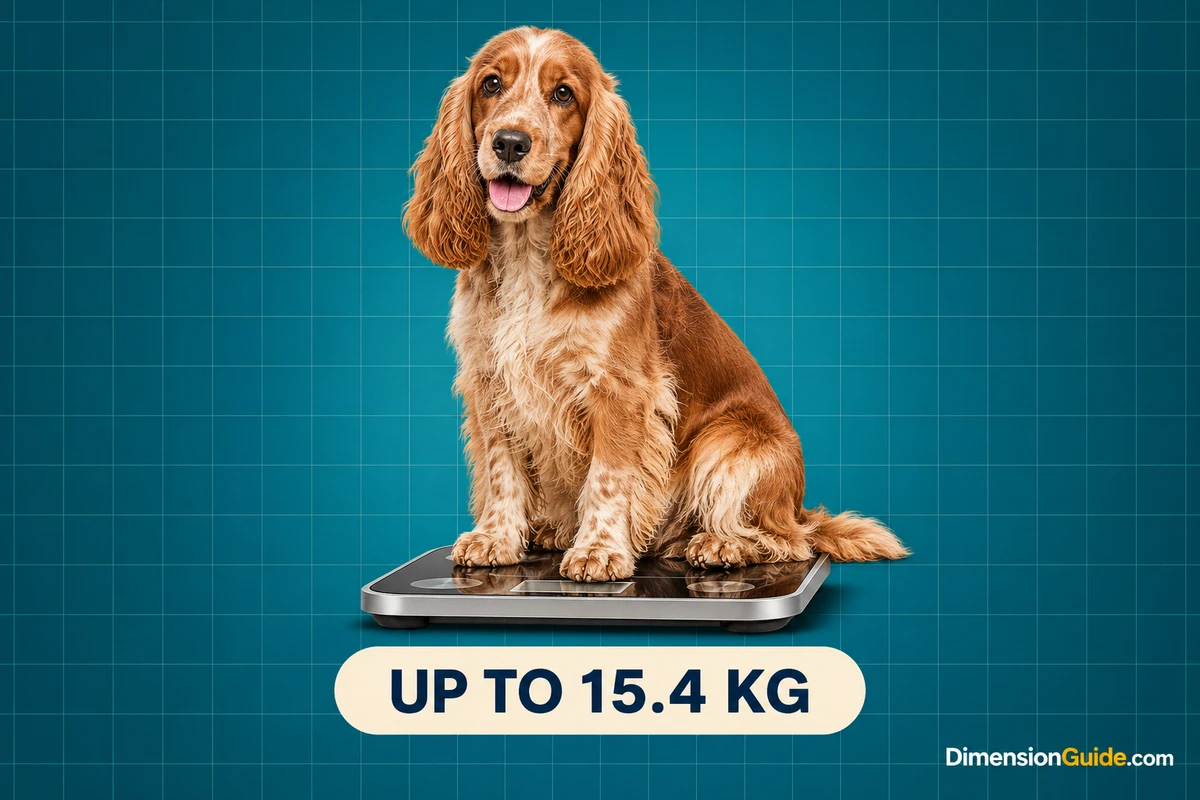
The American Kennel Club lists the English Cocker Spaniel at 26 to 34 lb, one range for both sexes. That is 11.8 to 15.4 kg.
A large, well-built male sits right at the top. A smaller one is closer to 12 kg, so the dog is a match only at the high end.
11. A Child Around Age 3 to 4
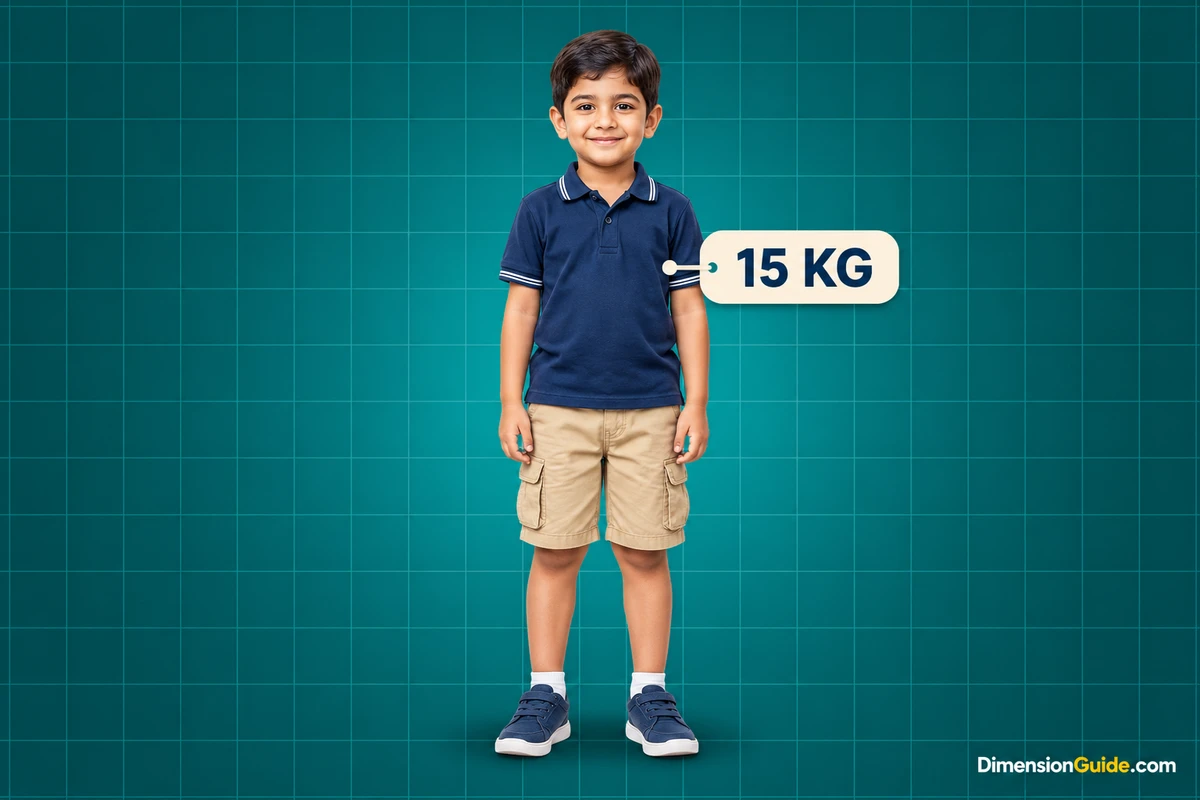
Between a third and fourth birthday, the World Health Organization growth standards put the median child at about 14 to 16 kg. A child at 15 kg is roughly in the middle of that stretch.
Weight is not a grade, though. Healthy kids at the same age can be several kilograms apart, and the charts are wide for a reason.
Still, when you lift a toddler, you are lifting about the same as our whole list.
12. Two Bowling Balls (near miss)
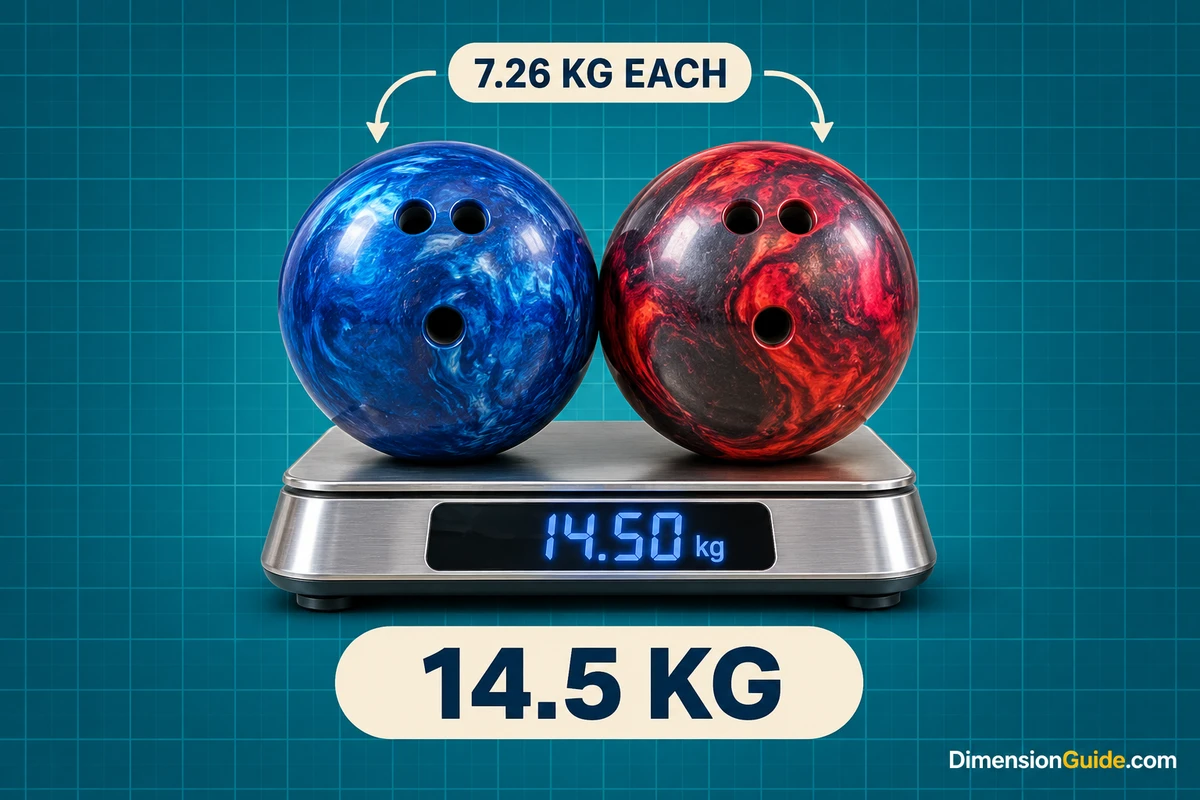
Some websites claim a bowling ball weighs 15 kg. That is wrong. The United States Bowling Congress caps ball weight at 16 lb, which is 7.26 kg.
Two of the heaviest legal balls together come to 14.5 kg, a decent stand-in for 15.
Think of the single ball as half our target, then double it. The mix-up probably starts when people confuse 15 lb with 15 kg, a mistake that puts a 7 kg ball on a 15 kg list.
13. Two Men’s Shot Puts (near miss)
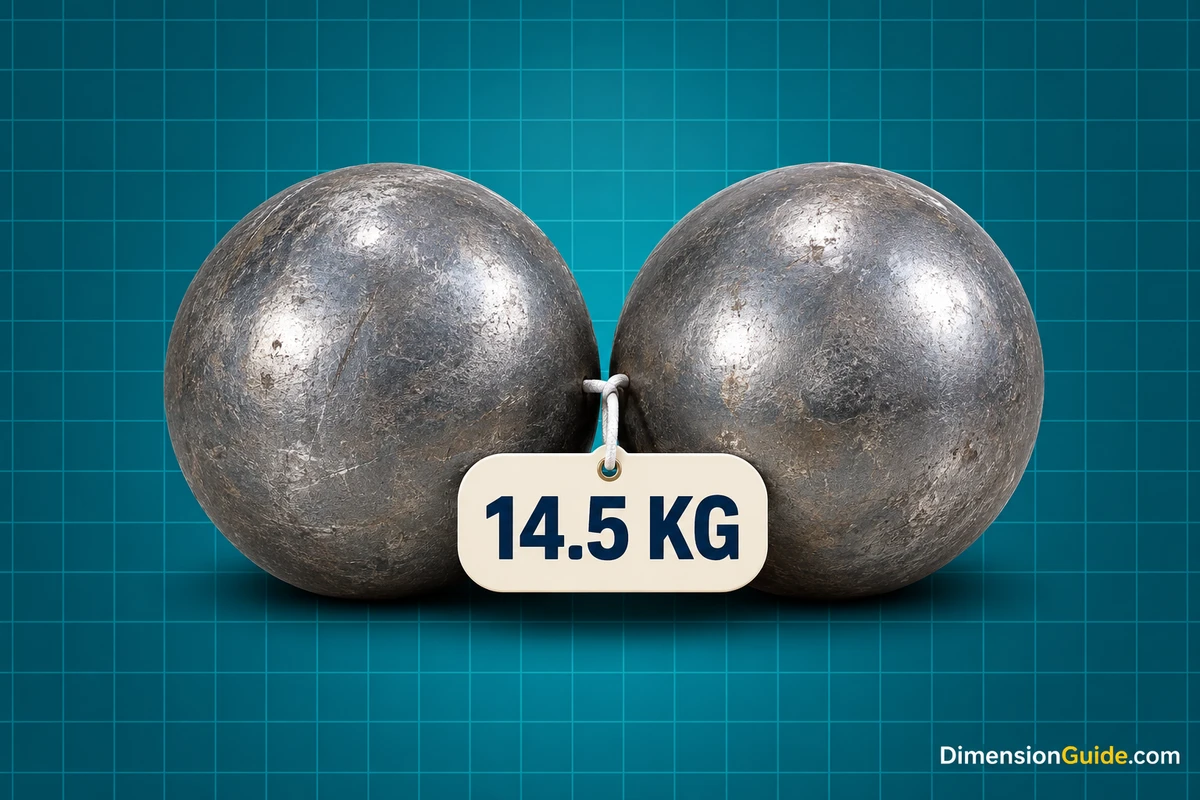
A men’s competition shot put weighs 7.26 kg, which is 16 pounds. Two of them add up to 14.52 kg.
That is about half a kilo under 15, close enough to feel the right size in a gym bag.
14. Concrete Block, 8 x 8 x 16 inches (near miss)
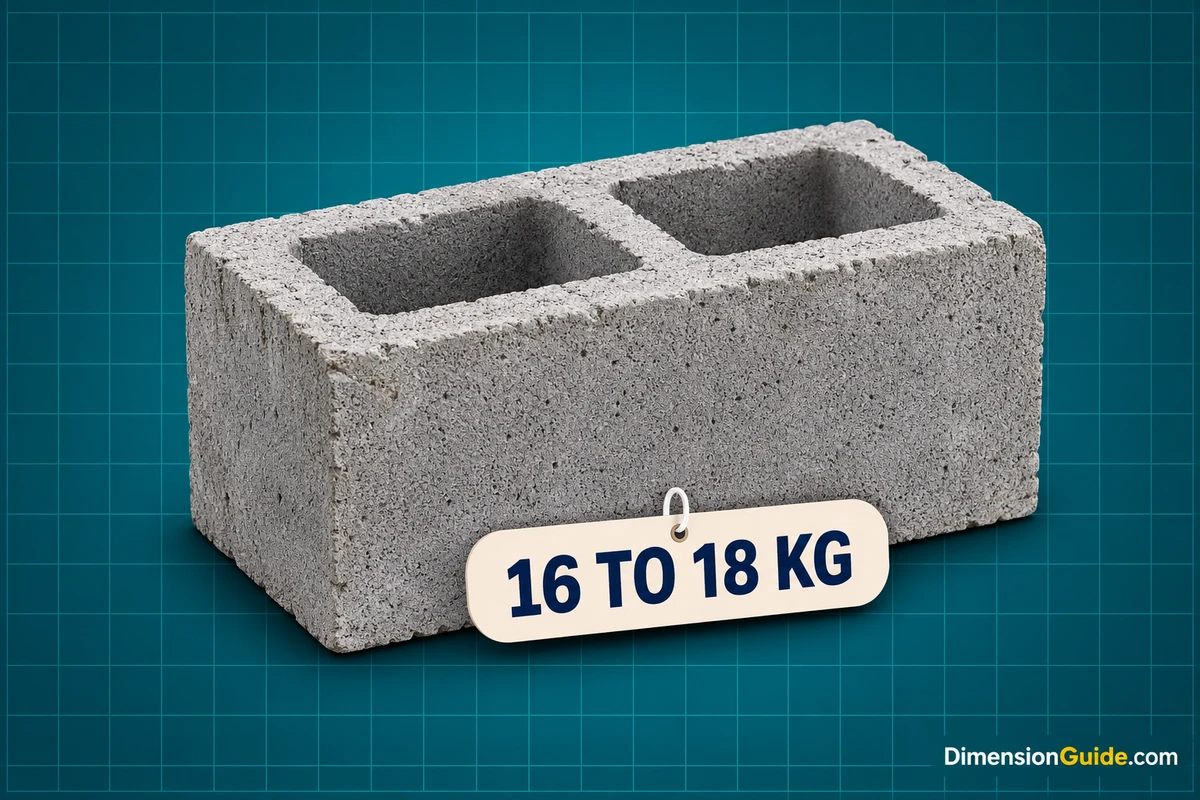
A standard hollow concrete block weighs about 35 to 40 pounds, which is roughly 16 to 18 kg, depending on the mix.
Check the pallet label if you need the exact figure, since masons buy both kinds.
15. Female Thomson’s Gazelle (low end)
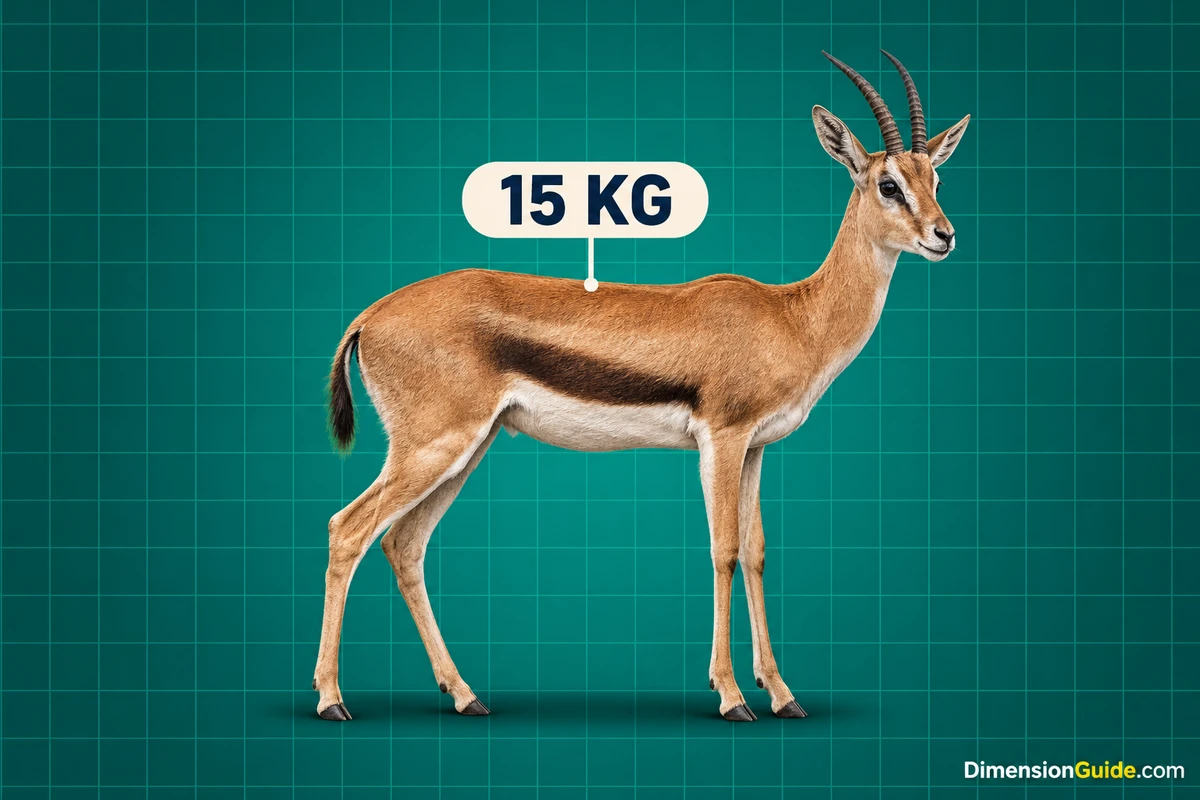
Thomson’s gazelles are small African antelopes. Females usually weigh between 15 and 25 kg, while males run heavier.
A light female sits right at the bottom of that range, and she can still sprint at highway speeds.
16. Car Battery (typical size)
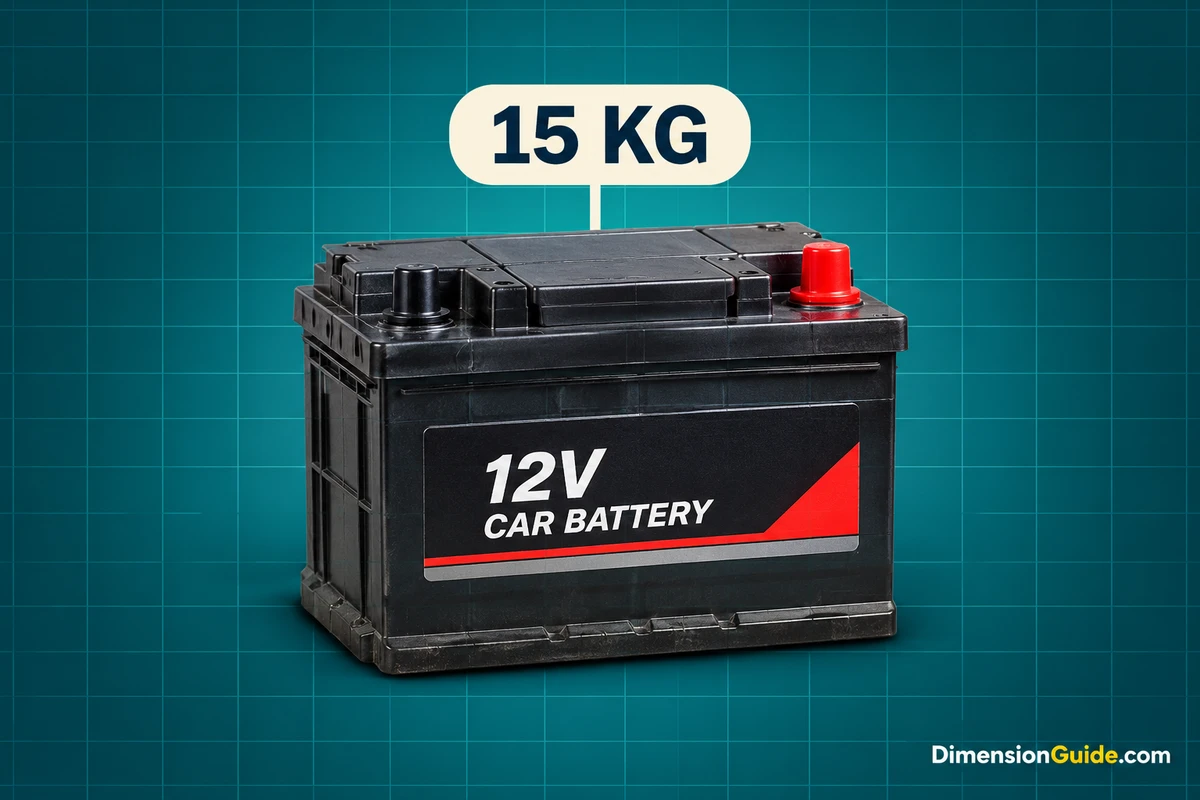
A conventional 12-volt lead-acid car battery weighs about 30 to 50 pounds, or roughly 14 to 23 kg. A smaller one lands right around 15 kg.
Lead plates do most of the work, and they are dense. That is why a small box feels so heavy when you lift it out of the engine bay.
15 kg on the Moon: Mass vs Weight
Here is a twist. A 15 kg object has 15 kg of mass anywhere in the universe, but its weight changes with gravity.
The Moon pulls with about 1.62 m/s2, compared with 9.81 on Earth. That means a 15 kg object would press down with the force of only about 2.5 kg on Earth. The stuff inside does not change. The pull on it does.
Pro tip:
Scales read weight but show you mass. That is why a bathroom scale would give a different number on another planet, but your 15 kg dumbbell would still take the same effort to push sideways.
Same 15 kg, Very Different Sizes
Weight does not tell you how big something is. Dense stuff packs 15 kg into a tiny space, while light stuff spreads out. Here is how much room 15 kg takes up in a few common materials, using standard density values.
| Material | Volume of 15 kg (approx.) |
|---|---|
| Water | 15 L |
| Aluminum | 5.6 L |
| Steel | 1.9 L |
| Lead | 1.3 L |
| Gold | 0.78 L |
So 15 kg of gold would fit in a bucket that holds under a gallon, while 15 kg of water fills four gallon jugs. Weird, right?
Watch out:
Do not judge a load by its size. A small, dense box can weigh far more than it looks, so test the lift with a gentle tug before you pick it up.
Heavier and Lighter Steps Around 15 kg
If 15 kg feels easy, the next steps up are worth a look. 25 kg is about the weight of a big sack of cement or an 8-year-old child. Jump to how heavy 50 kg is and you hit the weight of a snow leopard.
How to Build 15 kg From Things You Already Own
No gym gear at home? You can stack up a 15 kg load with ordinary stuff. All it takes is a pantry shelf and a bit of math.
- Fifteen 1 liter bottles of water. Each is about 1 kg, so you land at about 14.97 kg. Error: tiny, plus the bottle plastic.
- Four 1 gallon jugs of water. That is 4 US gallons, or 15.14 kg. Error: about 0.1 kg over.
- Thirty 500 g bags of flour or sugar. Count the packs, and 30 x 0.5 kg is exactly 15 kg. Error: none, if the label is accurate.
- One 10 kg load plus one 5 kg load. Fill a bag until a bathroom scale reads each number. Error: depends on the scale.
Check your result on a bathroom scale by weighing yourself first, then again while holding the load. Subtract the first number from the second.
Lifting 15 kg Without Hurting Your Back
15 kg is a friendly weight for the floor-to-waist lift, but form still counts. Stand close, bend at the hips and knees, and keep your spine neutral. Hug the load against your body instead of reaching out.
Carrying it is the harder part. Splitting 15 kg into two 7.5 kg loads, one per hand, feels much easier than one 15 kg bag, because your body stays balanced. A backpack with the heavy stuff close to your spine works too.
Watch out:
Twisting while you hold a load is what usually hurts. Turn your feet instead of your waist.
A Four-Jug Test
Four 1 gallon jugs of water weigh about 15.1 kg. Carry them for a minute and the number sticks.
Then keep a favorite from the list as your own yardstick: a yellow plate, a bustard or a toddler.
If 15 kg feels too heavy, the 10 kg and 5 kg guides step down from here.
15 kg: Quick Answers
Is 15 kg heavy to lift?
For most healthy adults, a clean lift of 15 kg from the floor is manageable, but carrying it far with one hand gets tiring fast. Bend your knees, keep it close to your body and split the load into two bags when you can.
How many pounds is 15 kg?
15 kg is 33.07 lb. Multiply kilograms by 2.2046 to convert, or use the exact value of 0.45359237 kg per pound.
How many liters of water weigh 15 kg?
About 15 liters. Water is a touch under 1 kg per liter at room temperature, so 15 liters is about 14.97 kg.
Is 15 kg the same as 15 lb?
No. 15 lb is only 6.80 kg, while 15 kg is 33.07 lb. Check the unit on any label before you lift.
Sources
- International Weightlifting Federation: equipment rules for the 15 kg women’s bar and the yellow 15 kg disc.
- NASA: Explorer 1 weighed 30.8 pounds.
- Smithsonian’s National Zoo: male kori bustards weigh about 11 to 19 kg.
- American Kennel Club: breed weight chart, including the English Cocker Spaniel at 26 to 34 lb.
- World Health Organization: weight-for-age growth standards for children.
- Calor: 15 kg butane cylinder with its full weight range.