


Quick answer: 15 inches is 38.1 cm, or 1 foot 3 inches (1.25 ft). A US legal sheet is one inch shorter than that.
Longer than a school ruler and shorter than a yardstick, 15 inches is 38.1 cm, a size people often get wrong.
Plenty of things with 15 in the name, like laptops, do not measure 15 inches the way you would expect. The 16 examples below sort that out.
15 Inches in Feet and Centimeters
| Unit | 15 inches equals |
|---|---|
| Millimeters | 381 mm |
| Centimeters | 38.1 cm |
| Meters | 0.381 m |
| Feet | 1.25 ft (1 ft 3 in) |
| Yards | about 0.417 yd |
An inch is defined as exactly 25.4 mm, so every number above is exact except the yards, which repeat forever. For a sense of scale, 15 inches is one inch longer than 14 inches and three inches longer than a full foot. If you want the foot-sized version, see these things that are 12 inches long.
Why 15 Inches Is So Easy to Guess Wrong
Most of us carry a feel for one foot. We know a school ruler. We also know a yardstick, which is 36 inches. The space between them is a blur.
At 15 inches you are 25 percent past a foot, which is exactly 1.25 feet. That gap is only 3 inches, about the width of a business card, so the eye usually rounds it back down to a foot. The fix is to anchor on something you can count, like paper.
Building a 15-Inch Gauge
You do not need a tape measure. Paper and cards you already own add up to 15 inches.
- A letter sheet plus a 4 x 6 card. The long side of letter paper is 11 in, and the short side of the card is 4 in. Together they make exactly 15 in.
- A 12-inch ruler plus a 3 x 5 card. Lay the card’s short side (3 in) at the end of the ruler for exactly 15 in.
- A legal sheet plus a thumb. Legal paper is 14 in on the long side. Add roughly one inch, about a thumb width on many adults. This one is a close guess, not exact.
Pro tip:
Working in metric? Mark 38.1 cm on your tape. A 30 cm ruler gets you most of the way, and you add 8.1 cm for the rest.
16 Things That Are 15 Inches Long
Some of these are exact. A few are near misses, and I flag those so you know what you are getting.
1. 15-Inch Car Wheel (rim diameter)
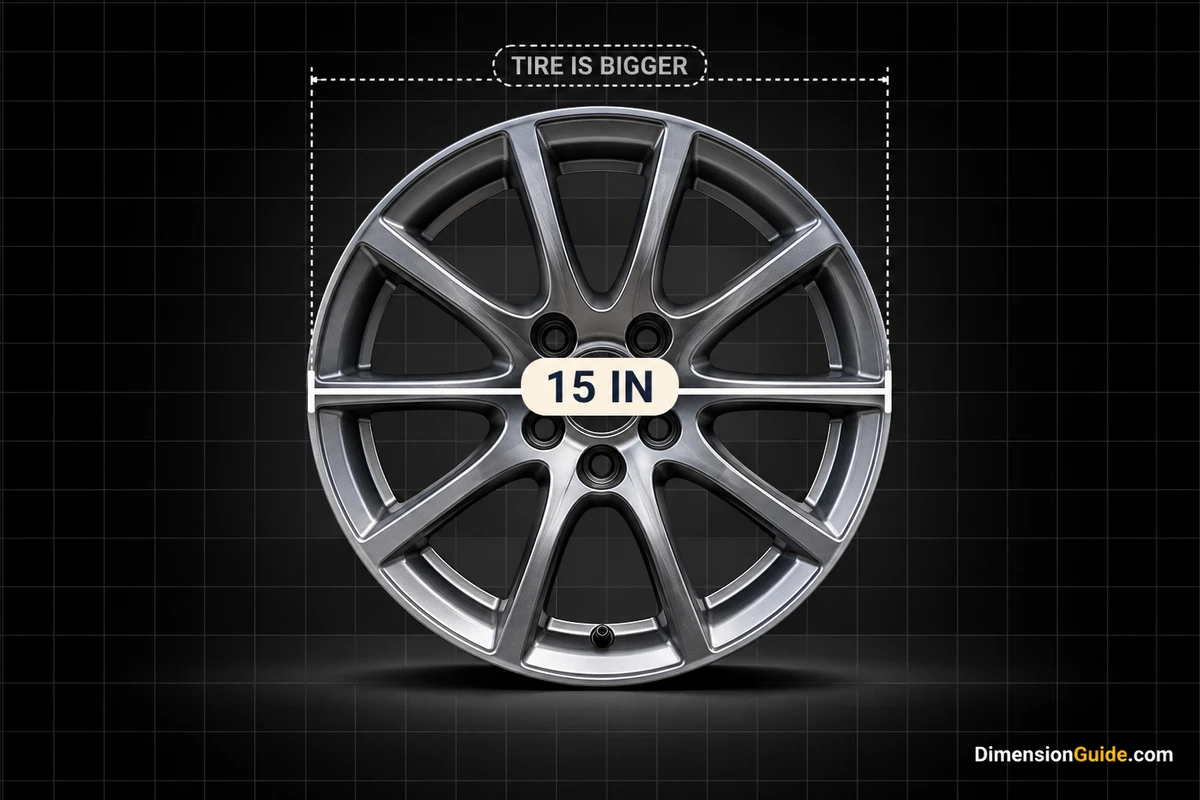
Look at the last number on a tire, like 205/65R15. That 15 is the wheel diameter in inches. It is a true 15-inch circle for the rim the tire sits on.
The whole tire is much bigger. The rubber adds its own sidewall on top of the rim, so a tire for this wheel stands a bit taller than two feet. Only the metal wheel is 15.
Weird, right? The first two digits are in millimeters and the last one is in inches. Tire sizes mix units on purpose, and the 15 is the only number you can hold up to a tape measure on the rim itself.
2. Crescent 15-Inch Adjustable Wrench (overall length)
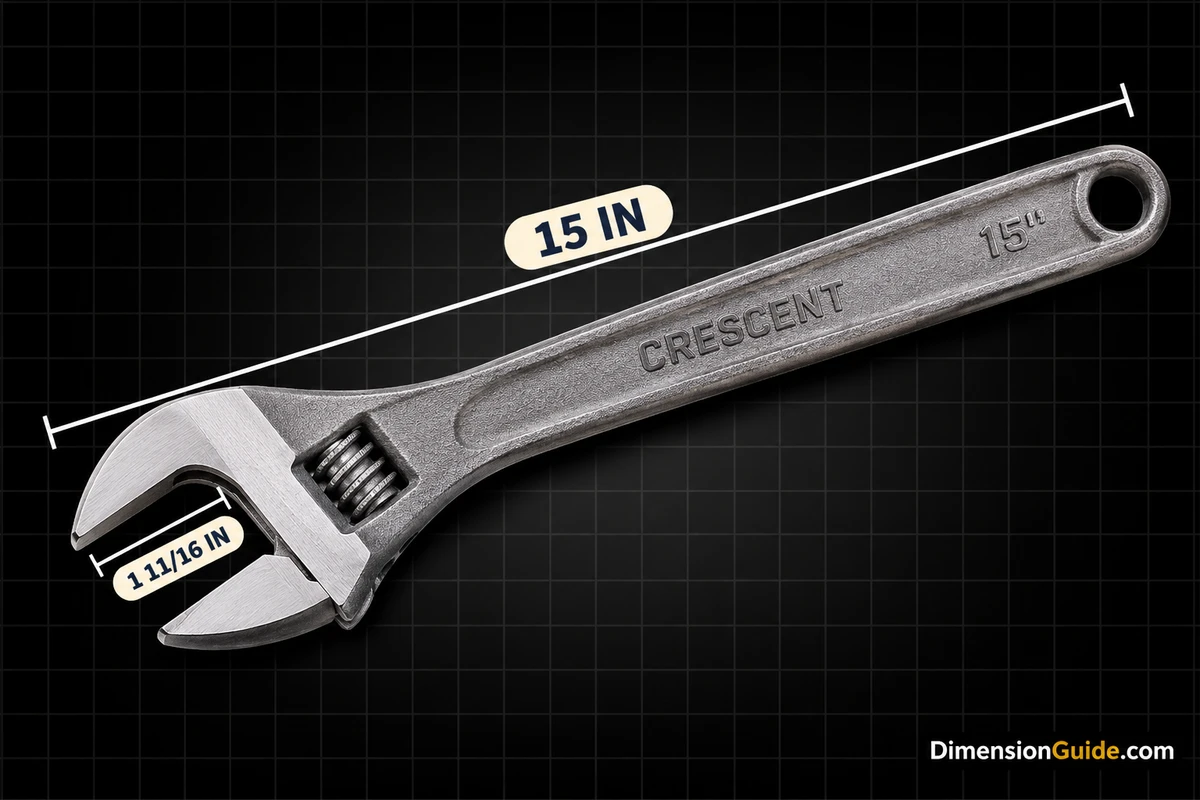
Crescent lists its AC215 wrench at 15.0 inches overall. The jaws open to 1.687 inches, which is about 1 11/16.
That reach is handy for plumbing and big nuts, and it is a rare tool where the size in the name matches the real length. Hang one on the wall and you have a permanent 15-inch gauge in your garage.
The only quirk is the jaw. When it is wide open, the wrench still measures 15 inches end to end, because the opening happens inside the head and does not change the handle.
3. 15-Inch Subwoofer (nominal vs real size)
Does a 15-inch sub measure 15 inches? Sort of.
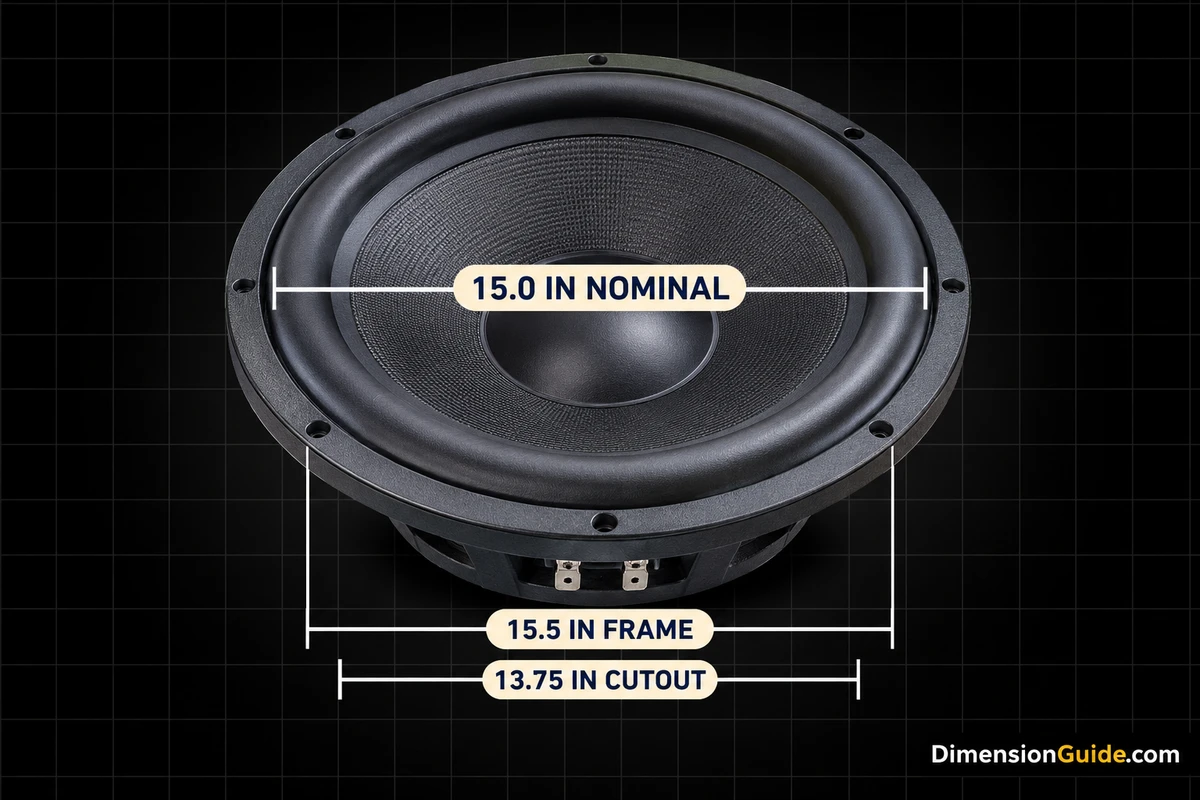
The JL Audio 15W0v3-4 lists a nominal diameter of 15.0 inches (380 mm), but its overall frame is 15.5 inches (394 mm). The hole you cut in a box is smaller still, at 13.75 inches (349 mm).
So one speaker gives you three sizes. The label sits in the middle, and that is the trap. Cone area is smaller than the label too, because the soft rubber surround takes up part of the edge.
Check the spec sheet for the exact driver before you cut any wood.
4. 15-Inch Hi-Hat Cymbals (diameter)
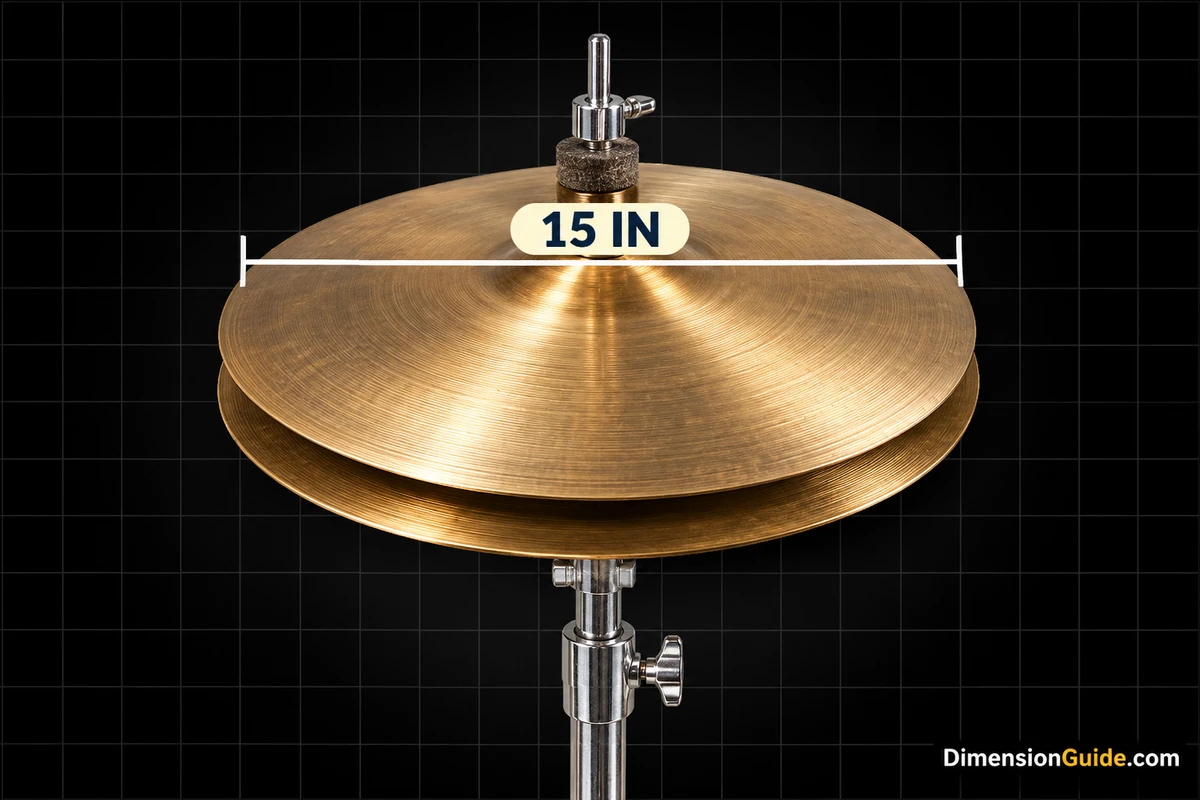
Drummers pick 14 or 15 inches for hi-hats all the time. Zildjian sells 15-inch pairs in several series, including A New Beat, K Light, and Z Custom.
A cymbal is measured straight across, so a 15-inch hat is a true 15-inch disc. Stack two and you have the sound of a drum kit’s rhythm engine in a package about as wide as a big pizza box.
5. Miniature Poodle (height at the shoulder)
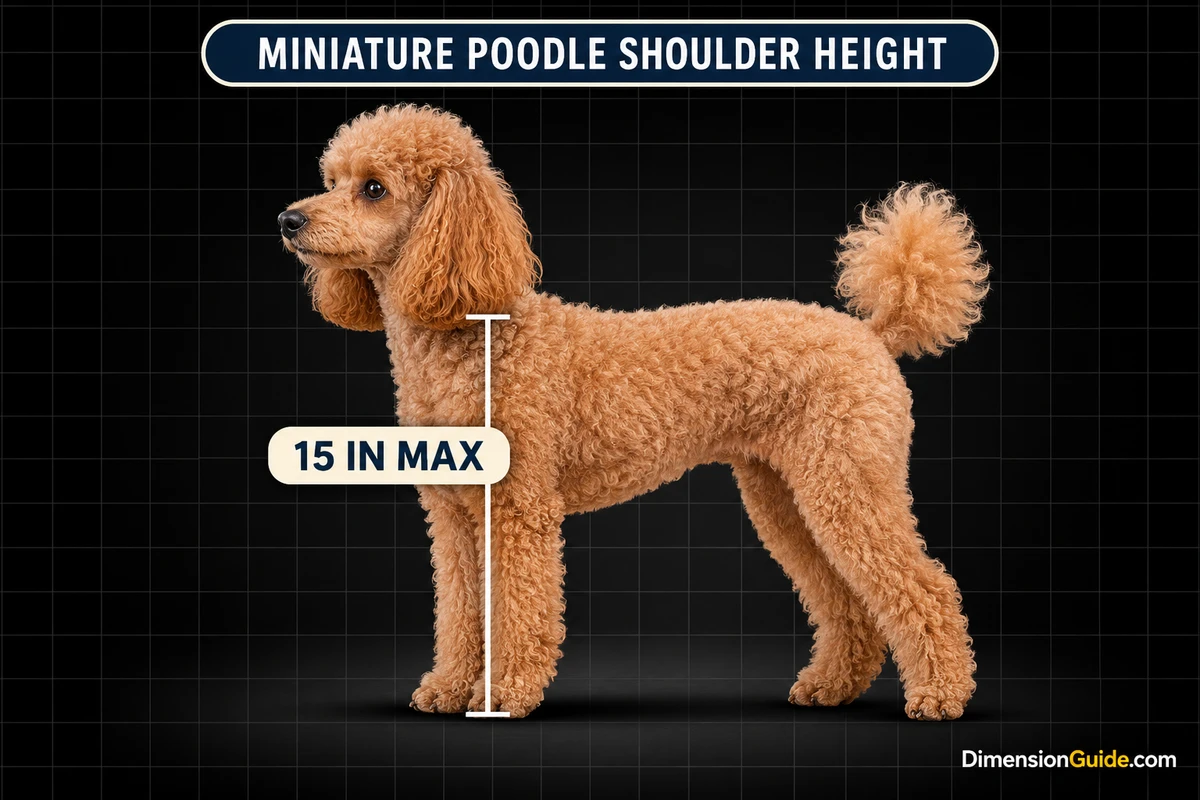
The AKC defines a Miniature Poodle by height. It must be over 10 inches and not exceed 15 inches at the highest point of the shoulders.
So 15 inches is the top limit for the whole size class. Go taller than that and the dog counts as a Standard Poodle. Go 10 inches or under and it is a Toy.
That also means most Miniatures stand a little under 15 inches. Treat the number as a ceiling, not the usual height. Still, few pets give you such a clear official line at exactly this size, which makes it one of the best real-world benchmarks on the list.
Vets and show judges measure from the ground to the top of the shoulder, not the head, so the ears and the tail never count.
6. Basset Hound (the disqualification line)
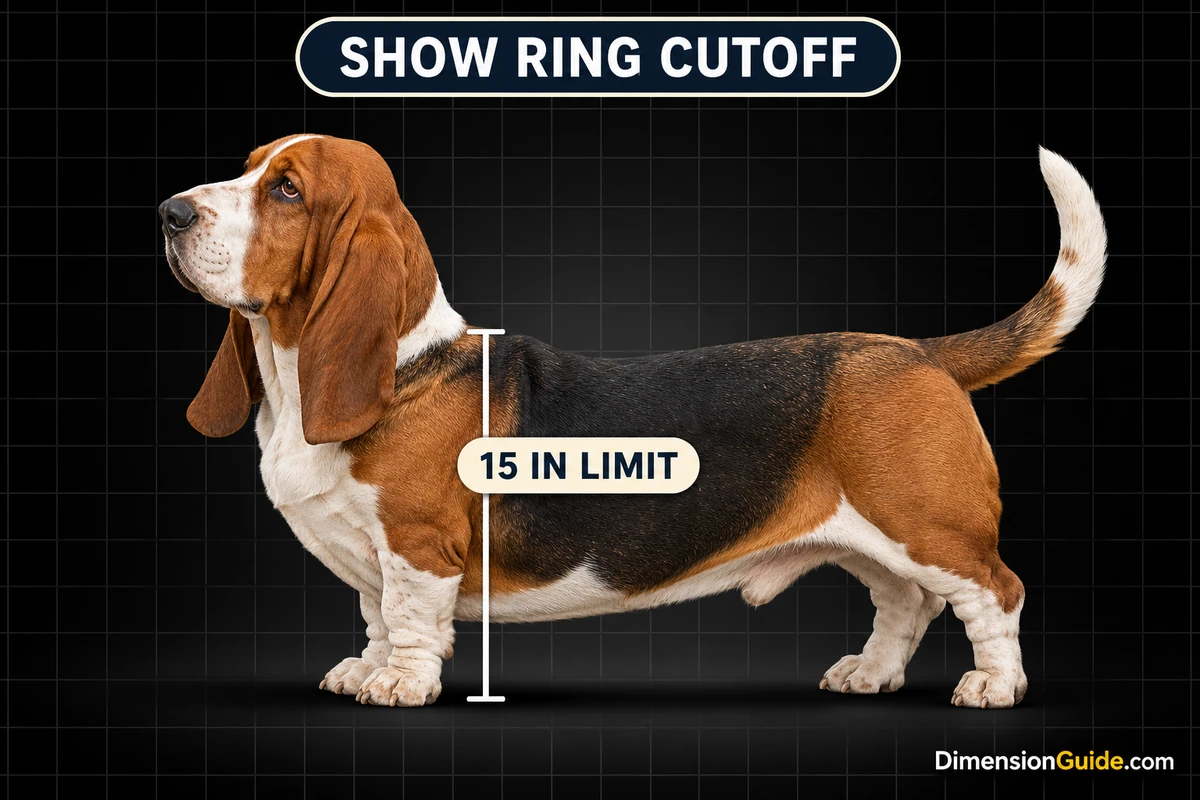
This one has a twist. The AKC says a Basset should not exceed 14 inches. A dog measuring more than 15 inches at the top of the shoulder blade is disqualified in the show ring.
So 15 inches is the hard cutoff, not the goal. Many websites quote a 15-inch maximum because they blur those two numbers together.
It is a good reminder that a size cited online can mean ideal, average, or banned over this. Always check what the number is doing before you repeat it.
And yes, a dog this low and long will usually look shorter than the number suggests, since the body stretches out behind the shoulder.
7. American Cocker Spaniel (near miss, adult height)
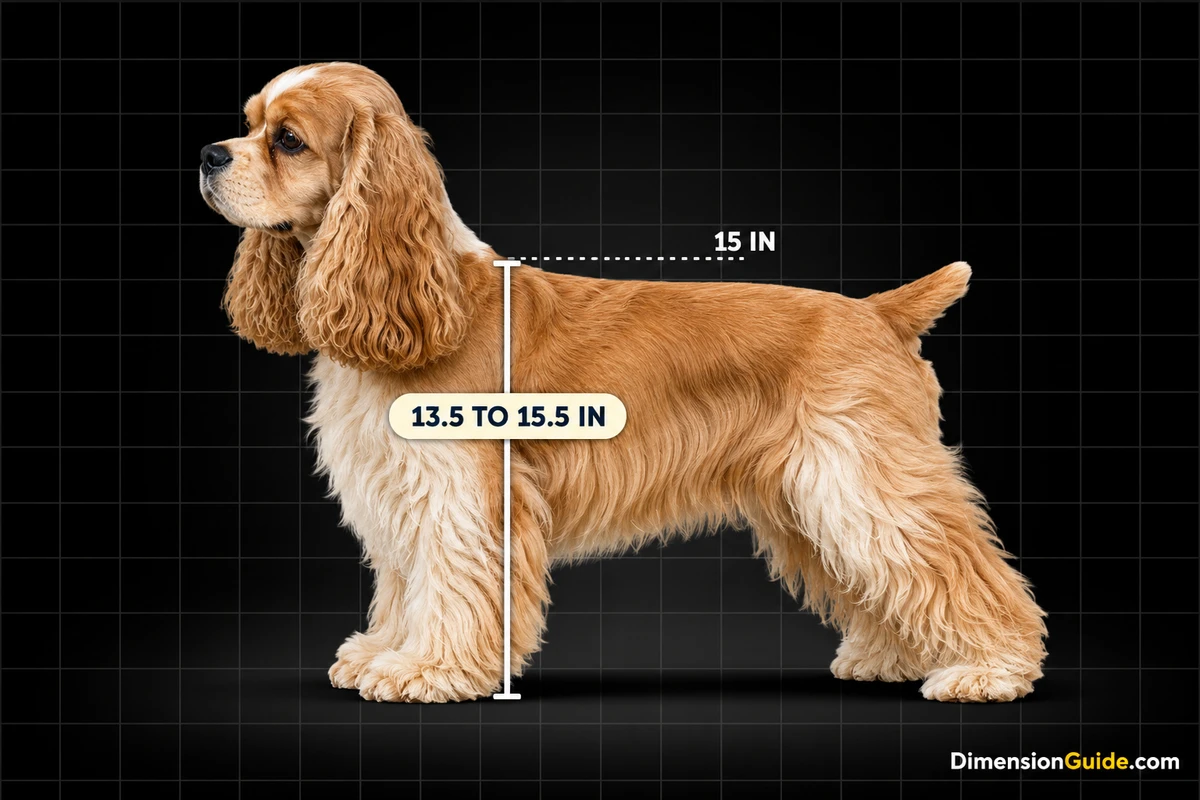
AKC’s breed page gives an average range of about 13.5 to 15.5 inches at the shoulder, so a male often lands right near 15 inches.
This is a near miss. An older AKC Sporting Group list also shows show-ring limits of 15.5 inches for males and 14.5 for females. A dog can sit a half inch either side of 15 and still be correct for the breed.
8. 2×16 Board (actual width)
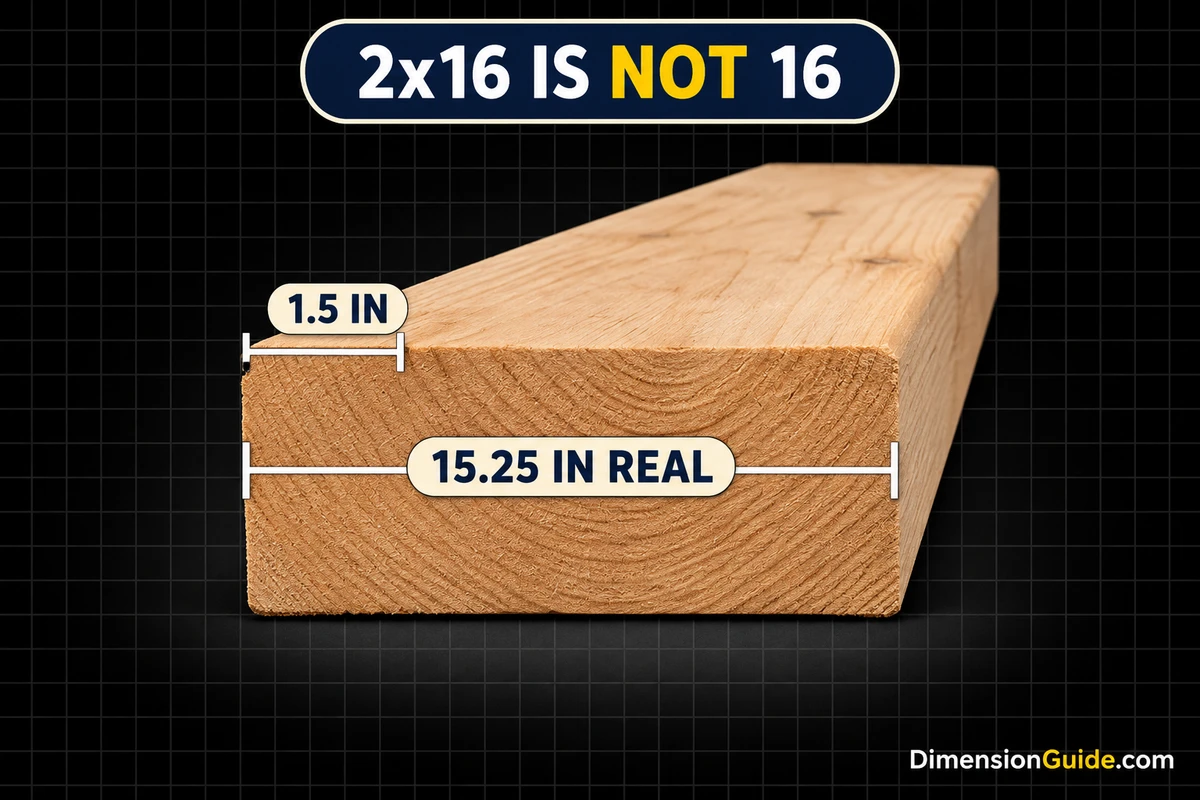
A 2×16 is not 16 inches wide. The American Softwood Lumber Standard (PS 20) sets finished sizes smaller than the names, and the usual rule is to subtract 3/4 inch from nominal widths of 8 inches and up.
That puts a real 2×16 at about 1.5 inches thick and 15.25 inches wide. It is a near miss at 15 1/4, not exact.
Here is the a-ha: lumber names are a code, not a tape-measure reading. A 2×4 is 1.5 by 3.5 inches for the same reason, and a bigger board just loses a bigger slice.
9. 15-Inch Viola (body length)
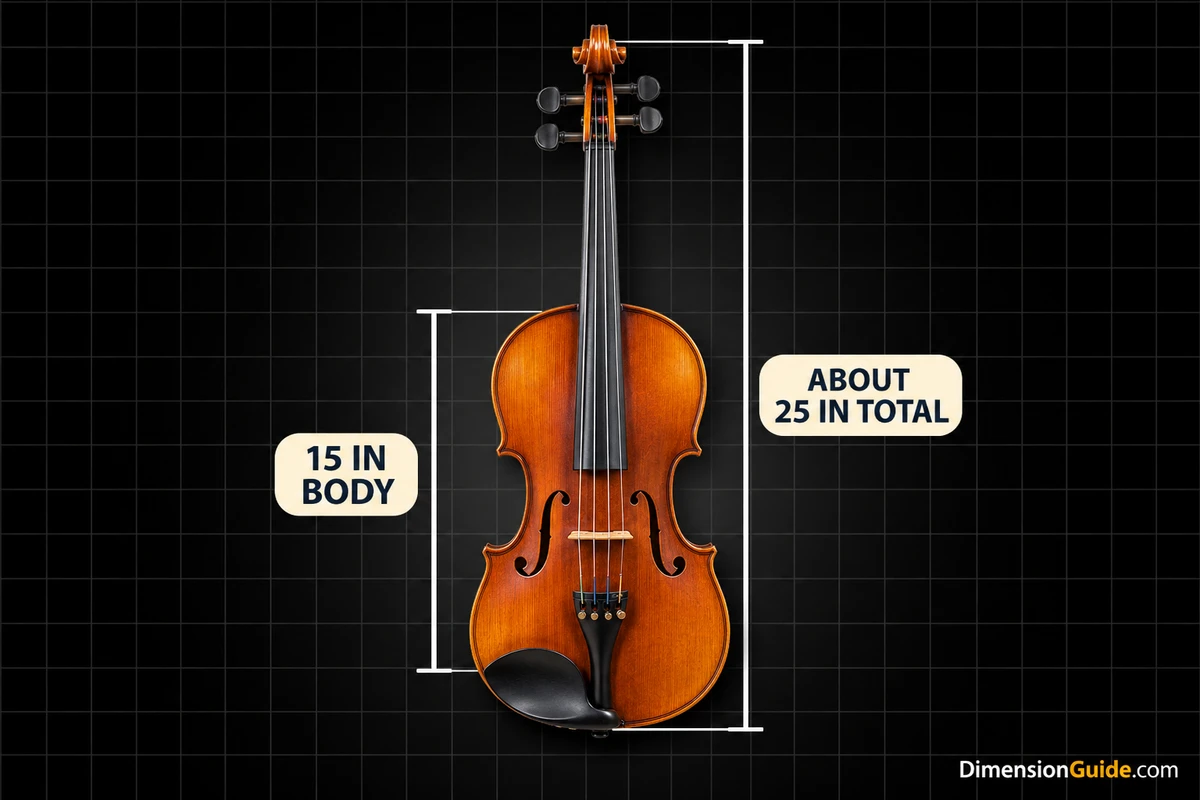
Violas are sized by the length of the body, not the whole instrument. A 15-inch viola has a 15-inch body.
Add the neck and scroll and the full instrument runs to roughly 25 inches. Children around 11 to 13 often play this size, and some small adults do too. Makers vary a little, so a 15-inch viola from one shop can feel different from another.
Because players are fitted by arm length, this is a size that matters most to the person holding it.
10. Lodge 15-Inch Cast Iron Skillet (across the top)
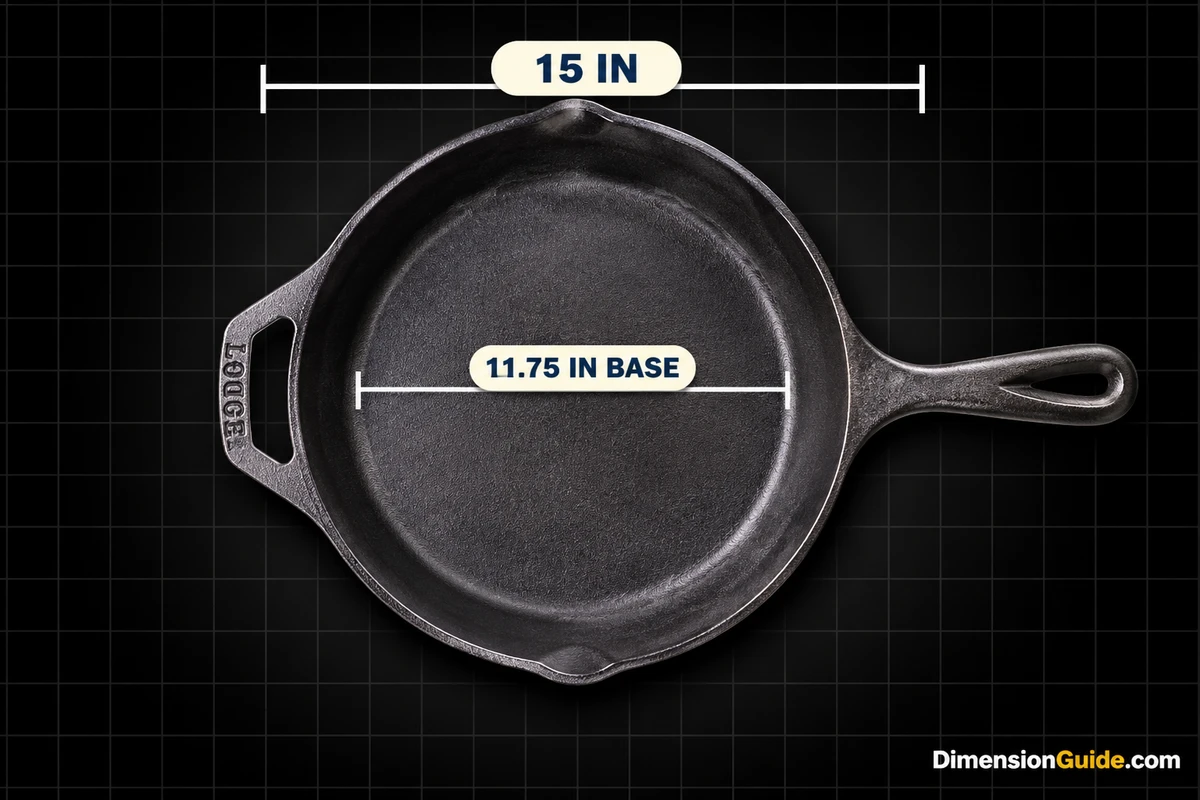
Lodge’s 15-inch skillet is 15 inches across the top rim, with a helper handle on the side.
Cooking space is smaller. The flat bottom is about 11.75 inches across, since the sides slope outward. Those two numbers confuse a lot of buyers who plan around the headline size.
If you are checking whether it fits a burner, the base is the number to care about. A 15-inch pan on a 12-inch burner hangs over the edge, and that changes how evenly it heats.
11. 15.3-Inch MacBook Air (screen diagonal)
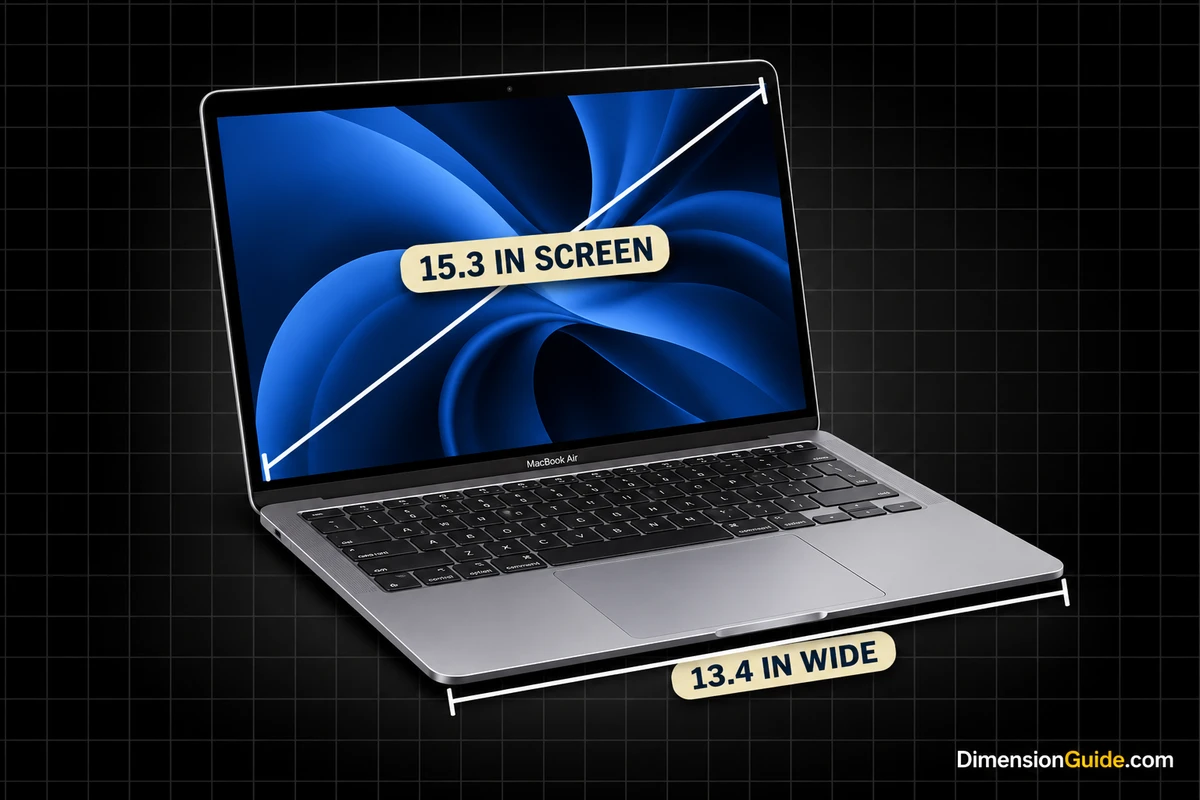
A laptop’s size is the screen measured corner to corner. Apple lists the big MacBook Air at 15.3 inches diagonally.
The body is only 13.40 inches wide and 9.35 inches deep. So the diagonal is the long measure here, not the width.
That makes it a near miss at 15.3, and a perfect example of screens versus bodies.
Apple also notes the rounded top corners, so the viewable area is a touch smaller than the number. Even the headline size carries a footnote.
12. 15-Inch Camera Rod Pair (length)
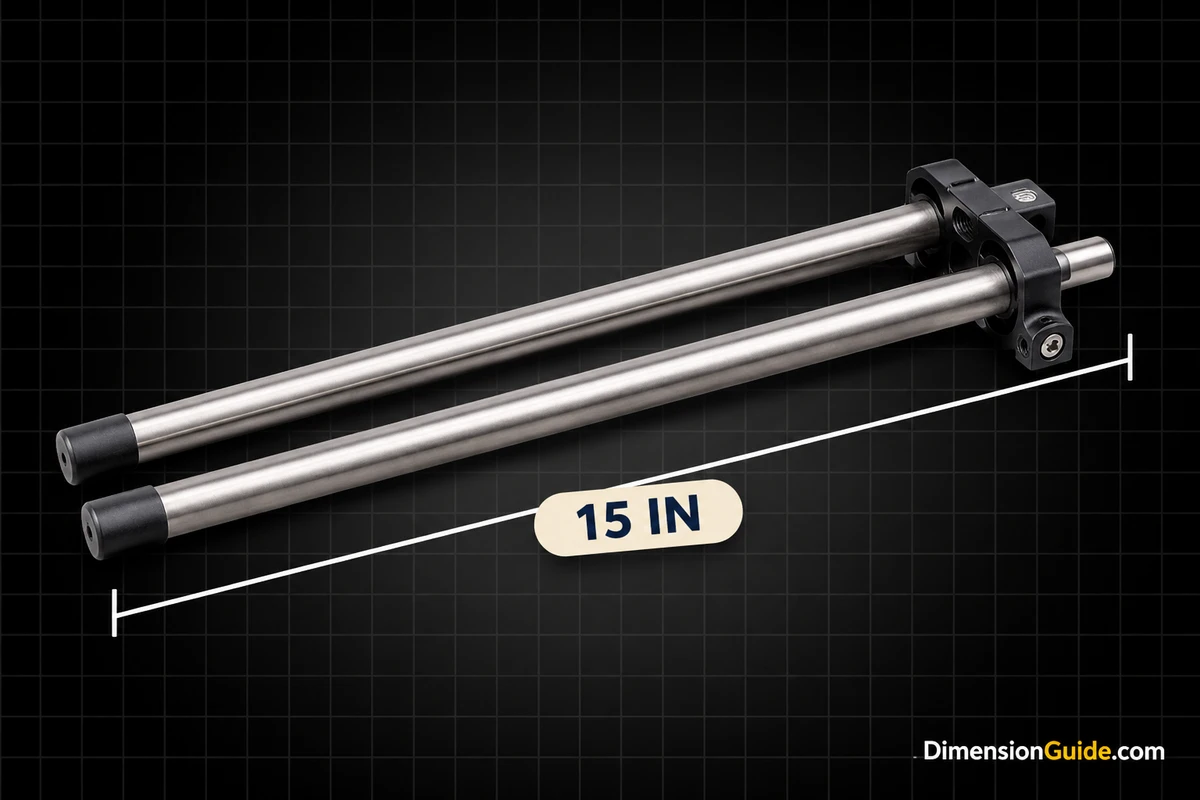
Film crews use 15 mm rods to hold camera gear. Wooden Camera sells a pair that is 15 inches long.
It is a fun mix of units: 15 millimeters thick and 15 inches long. If you ever need a rail that is the length of this page’s whole topic, this is it.
13. Standard Toilet Seat (height)
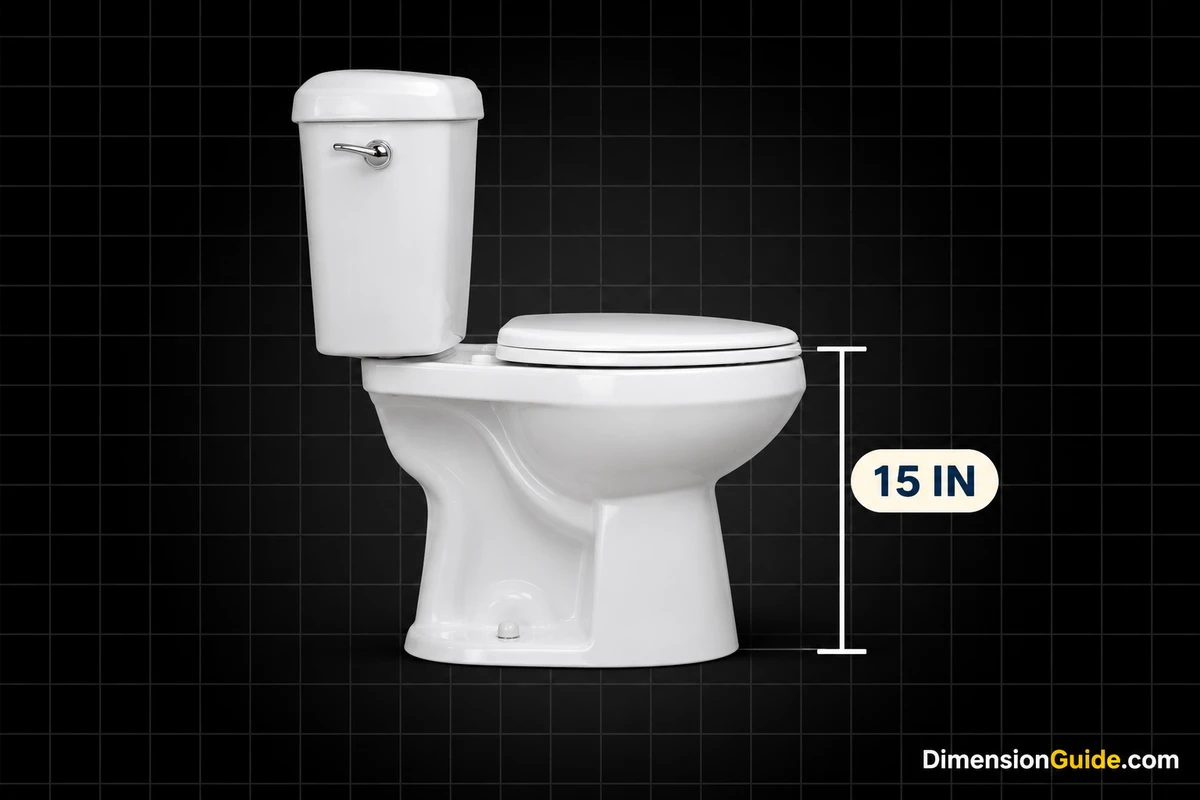
A standard toilet seat sits about 14 to 15 inches above the floor. Taller models, called comfort height, are about 17 inches.
It is one of the most useful 15 inch checks in a house, since you can compare any chair against it.
14. ADA Low Reach Limit (outlets)
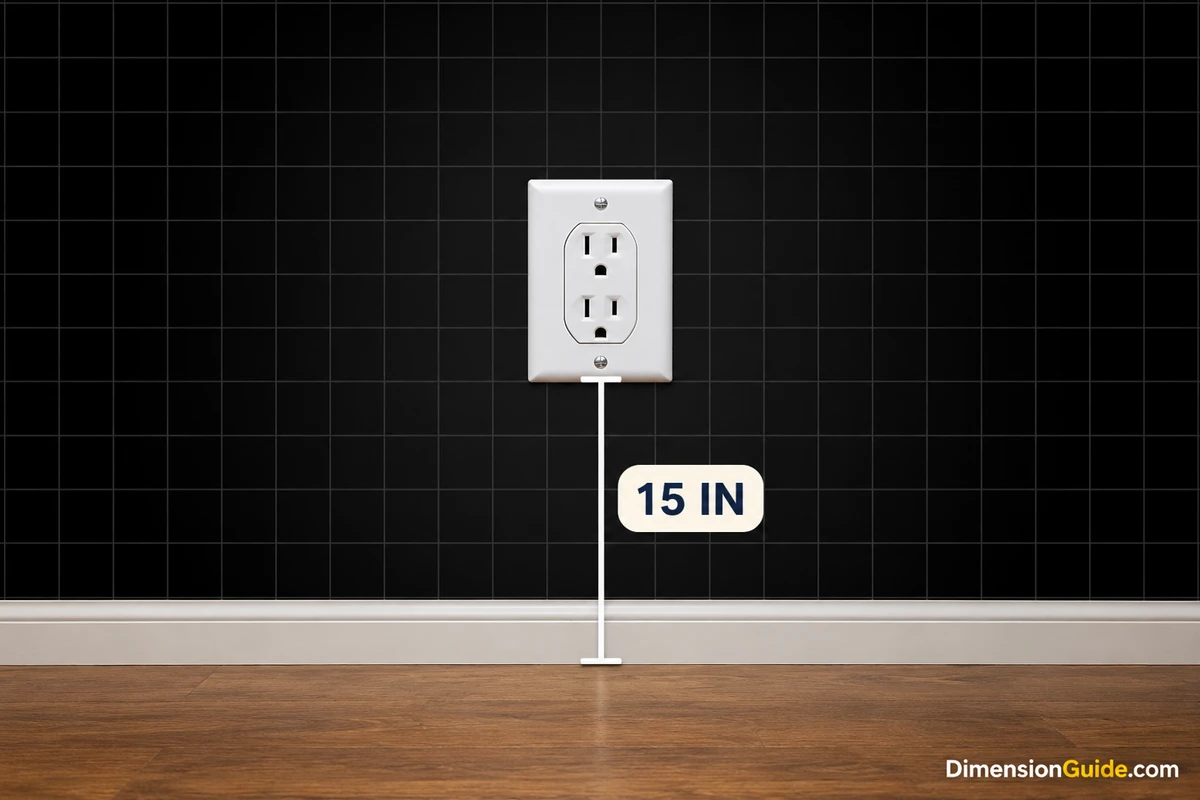
Accessibility rules say that controls and outlets should sit no lower than 15 inches above the floor.
That is exactly 38.1 cm. It is why wall outlets in public buildings look a bit higher than the ones in older homes.
15. Boston Terrier (low end)
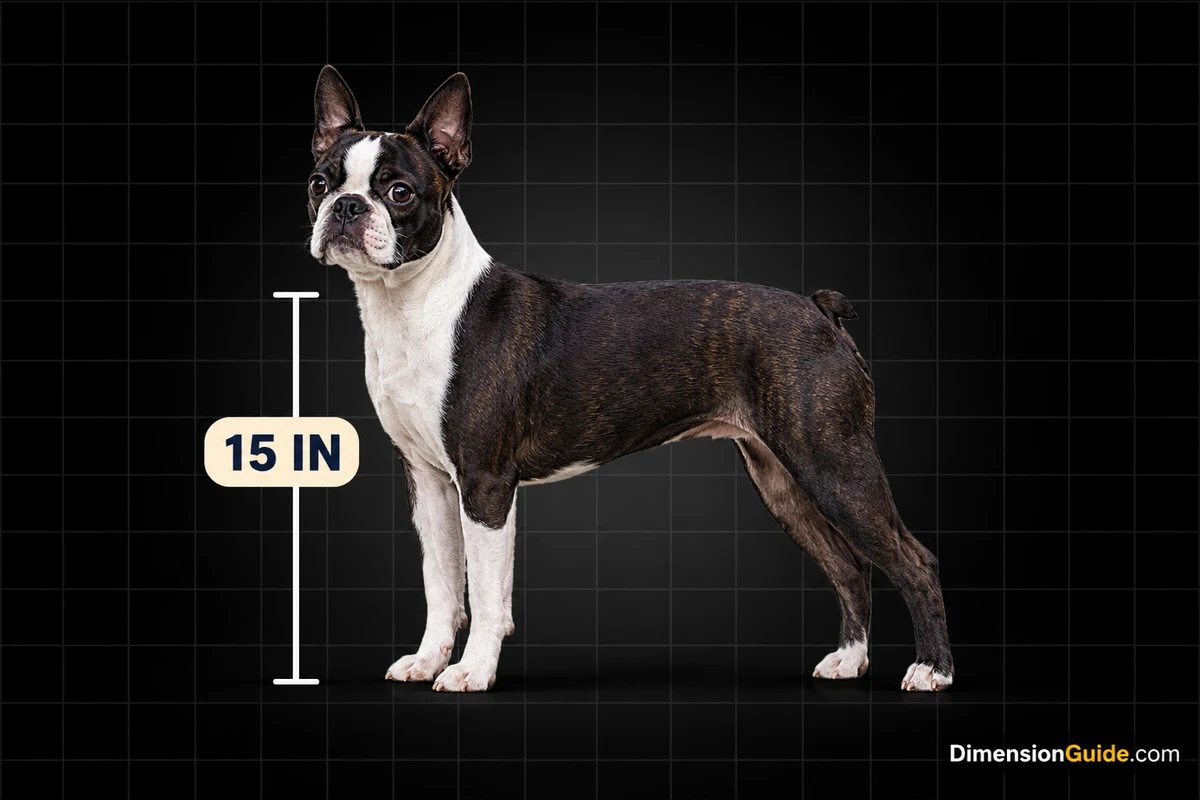
The breed standard allows a Boston Terrier from 15 to 17 inches at the shoulder.
A small one meets the 15 inch mark, though most owners see taller dogs.
16. Jelly Roll Pan (long side)
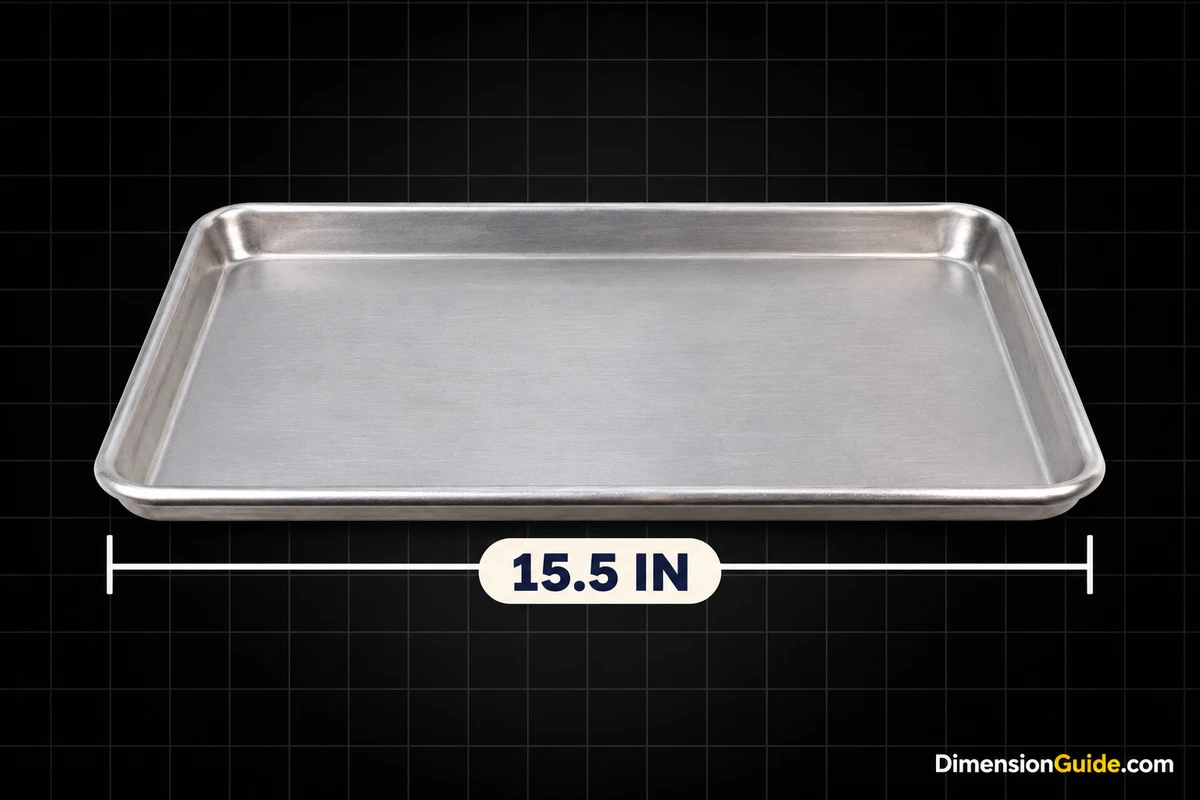
A standard jelly roll pan is about 10.5 x 15.5 inches. The long side is a near miss by half an inch.
It is shallow, with a rim of about an inch, and it fits most ovens with room around the edges.
15 Inches Next to Nearby Sizes
Sometimes the easiest way to feel a length is to line it up with its neighbors. Here is how it stacks up in both systems.
| Length | Centimeters | What it feels like |
|---|---|---|
| 12 in | 30.48 cm | A full foot, a school ruler |
| 14 in | 35.56 cm | Legal paper, long side |
| 15 in | 38.1 cm | Legal paper plus 1 in |
| 18 in | 45.72 cm | One and a half feet |
| 24 in | 60.96 cm | Two feet |
Why 15-Inch Labels Can Mislead You
Look back at the list. Only some of these items are truly 15 inches in the plain sense. The wrench, the hi-hats, and the rim are straight measures. The rest use a code.
| Item | The label says | The real measure |
|---|---|---|
| 15-inch subwoofer | 15 in | 15.5 in frame, 13.75 in cutout |
| 2×16 board | 16 in | 15.25 in wide |
| 15.3-inch laptop | 15.3 in | 13.40 in wide (diagonal screen) |
| 15-inch skillet | 15 in | 15 in rim, about 11.75 in base |
| Basset Hound | 15 in | Disqualified above 15 in at the shoulder |
Notice the pattern. The same number can describe a rim, a diagonal, a trimmed board, or a legal limit. Ask what is being measured before you trust it.
Laptops use the diagonal. Lumber uses a nominal name. Speakers use a label that the frame then breaks. Pans use the top rim. Dogs use a shoulder height with a limit and a goal.
Watch out:
Never buy by the number in the name alone. Check the spec sheet for width, depth, and cutout size. For tools and wood, measure the actual piece.
Want the same idea in metric? 15 inches is 38.1 cm, a bit longer than a 30 cm ruler. And if you want something smaller to compare, try 10 inches.
Add a Margin, Then Cut
Planning a shelf, a drawer or a speaker box around 15 inches? Measure the real parts, add a small margin and write the true number on a strip of tape.
For a quick desk gauge, a letter sheet plus a 4 x 6 card makes 15 inches in ten seconds.
A little shorter, the 9-inch guide is the one to check next.
15 Inches: Quick Answers
How many centimeters is 15 inches?
15 inches equals exactly 38.1 centimeters, or 381 millimeters.
Is a 15-inch laptop 15 inches wide?
No. The 15 is the screen diagonal. A 15.3-inch MacBook Air is 13.40 inches wide and 9.35 inches deep.
Is 15 inches longer than a foot?
Yes, by 3 inches. A foot is 12 inches.
Sources
- NIST: PS 20-20 explains nominal and actual lumber sizes, including how boards like the 2×16 are trimmed.
- AKC: the American Cocker Spaniel breed standard.
- Poodle Club of America: the AKC Poodle standard that sets the Miniature size at over 10 and up to 15 inches.
- Crescent Tools: the 15-inch tapered handle adjustable wrench specs.
- Apple Support: the MacBook Air 15-inch tech specs.
- Rythmik Audio: a 15-inch subwoofer driver spec showing outer diameter and cutout size.